

Gum Treatment
Gum disease treatment is an important dental procedure aimed at managing problems such as bleeding, swelling, inflammation, recession, or infection in the gums and maintaining gum health. Gum problems may start with mild symptoms; however, if left untreated, they can damage the tissues supporting the teeth, leading to more serious consequences such as loose teeth, bone loss, and tooth loss.
For patients seeking gum disease treatment in Bursa, an accurate diagnosis and a personalized treatment plan are of the utmost importance. This is because gum diseases do not progress at the same rate in every patient; while scaling and root planing may be sufficient for some patients, in other cases, curettage, gum recession treatment, or more comprehensive periodontal procedures may be necessary. At Vita Dental Clinic, Dr. Ahmet Başkaya evaluates the patient’s gum health, bleeding and recession status, and oral hygiene habits to develop an appropriate treatment plan.
In this article, we will address frequently asked questions—such as how gum disease is treated, whether gum recession can be treated, how gum inflammation is treated, what factors influence the cost of gum disease treatment, and what to consider regarding post-treatment care—in a patient-centered, clear, and reassuring manner.
What Is Gum Treatment?
Gum treatment encompasses dental procedures aimed at controlling problems such as inflammation, bleeding, swelling, recession, or infection in the gums. Gums are important tissues that surround and support the teeth. Problems in these tissues can affect not only the appearance of the gums but also the ability of the teeth to remain healthy in the mouth.
Periodontology is the branch of dentistry that deals with gum health, the tissues supporting the teeth, and diseases related to the jawbone. The goal of gum treatment is not merely to stop gum bleeding; it is also to protect the tissues supporting the teeth, prevent the progression of infection, and support long-term oral health. For this reason, symptoms such as gum inflammation, gum recession, or gum infection should not be ignored.
For patients seeking gum disease treatment in Bursa, a personalized evaluation is of the utmost importance. At Vita Dental Clinic, Dr. Ahmet Başkaya evaluates the patient’s gum health, tartar buildup, bleeding or recession, and oral hygiene habits to develop an appropriate treatment plan. This approach helps preserve gum health and ensures the treatment process progresses in a more controlled manner.
What Causes Gum Disease?
Gum diseases typically begin when bacterial plaque and tartar buildup on the tooth surface cause inflammation in the gums. Habits such as poor oral hygiene, not brushing regularly, and not using dental floss or interdental brushes can increase plaque buildup. In addition, smoking, genetic predisposition, certain systemic diseases, hormonal changes, and improper brushing techniques can also negatively affect gum health.
Gum disease can manifest with symptoms such as bleeding gums, swollen gums, sensitivity, bad breath, and gum infections. Bleeding, especially during brushing, should not be considered normal in most cases. If these symptoms are detected early, gum disease treatment can be planned in a simpler and more comfortable manner.
If gum problems are not treated in a timely manner, they can progress to more advanced stages. When inflammation spreads to the tissues supporting the teeth and the jawbone, serious consequences such as gum recession, bone loss, and loose teeth may occur. At Vita Dental Clinic in Bursa, Dr. Ahmet Başkaya evaluates the cause and severity of gum disease to develop a treatment plan tailored to the patient’s needs.
When Is Gum Disease Treatment Necessary?
Gum disease treatment may be necessary when symptoms such as bleeding, redness, sensitivity, swelling, bad breath, receding gums, or loose teeth are present. Bleeding, especially during brushing or flossing, may indicate the onset of a gum problem. If such symptoms are addressed early on, gum health can be better maintained.
Bleeding gums should not usually be considered a normal occurrence. The bleeding may be caused by gum inflammation, plaque buildup, tartar, improper brushing habits, or more advanced gum diseases. Symptoms such as swollen gums, sensitivity, gum infection, or loose teeth may also indicate that treatment should not be delayed.
It is not appropriate for patients to make decisions on their own based solely on symptoms. Whether gum treatment is necessary should be determined through a detailed dental examination. At Vita Dental Clinic in Bursa, Dr. Ahmet Başkaya evaluates the patient’s gum structure, tartar buildup, bleeding and recession, and oral hygiene habits to create a personalized treatment plan.
How Is Gum Disease Treated?
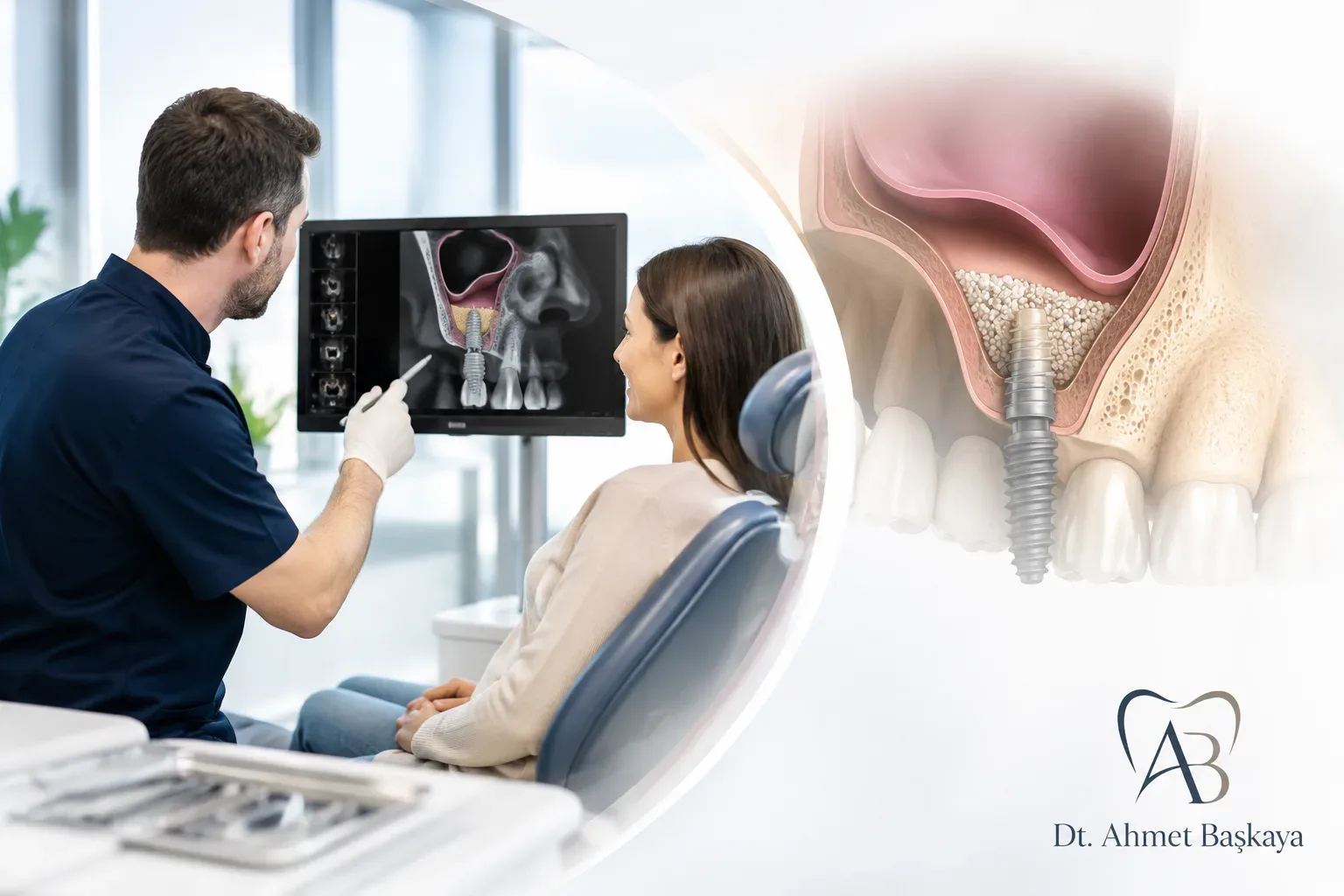
Gum disease treatment begins with a thorough dental examination. During this stage, the condition of the gums, bleeding levels, gum recession, and plaque and tartar buildup are assessed. When necessary, gum pockets are measured, and the bone supporting the teeth is examined via X-rays. Based on this evaluation, the severity of the condition is determined, and a personalized treatment plan is developed.
The treatment method may vary depending on the severity of the gum problem. While tartar removal and oral hygiene instruction may be sufficient in the early stages, more advanced cases may require deep cleaning, scaling, local maintenance procedures, or advanced periodontal procedures. In cases of gum inflammation, gum infection, or gum recession, treatment is planned in stages based on the patient’s current oral health.
The answer to the question “How is gum disease treated?” is not limited to procedures performed in the clinic. For treatment to be successful, the patient must also establish consistent oral hygiene habits at home, such as regular brushing, flossing, or using an interdental brush. At Vita Dental Clinic in Bursa, Dr. Ahmet Başkaya creates a treatment plan tailored to the patient’s needs to protect gum health, aiming to ensure the process progresses in a more controlled manner.
What Is Gum Recession?
Gum recession is a condition in which the gum tissue pulls back from the surface of the tooth root, exposing the root surface. This condition can lead to problems such as tooth sensitivity, aesthetic concerns, teeth appearing longer, and an increased risk of root decay. If gum recession is not detected in its early stages, it can progress and negatively affect the health of the tissues supporting the teeth.
There are many different causes of gum recession. Incorrect or vigorous toothbrushing, gum disease, tartar buildup, genetic predisposition, teeth grinding, traumatic habits, or the way the teeth fit together can all contribute to this condition. Although gum recession may seem like merely an aesthetic problem in some patients, over time it can lead to complaints such as sensitivity, gum inflammation, and difficulty with oral hygiene.
To treat gum recession, the cause and severity of the recession must first be determined. An early examination helps bring the gum problem under control before it progresses. At Vita Dental Clinic in Bursa, Dr. Ahmet Başkaya evaluates the patient’s gum structure, brushing habits, tartar buildup, and overall oral health to create a personalized treatment plan.
Is Gum Recession Treatable?
Treatment for gum recession can be planned based on the cause of the recession, its severity, the condition of the gum tissue, and the patient’s oral hygiene habits. Since not all cases of gum recession progress in the same way, the treatment method varies from person to person. For this reason, it is essential to first identify the factors causing the recession and conduct a detailed assessment of gum health.
In mild cases, professional cleaning, proper brushing instruction, sensitivity management, and care practices that support gum health may be sufficient. If the cause of gum recession is tartar buildup, improper brushing, or gum inflammation, controlling these issues can help slow the progression of recession. In more advanced cases, various periodontal treatments may be considered depending on the patient’s condition.
For the treatment of severe gum recession, a detailed examination must assess the thickness of the gum tissue, the condition of the root surfaces, bone support, and the patient’s oral hygiene habits. At Vita Dental Clinic in Bursa, Dr. Ahmet Başkaya evaluates the severity and cause of gum recession to create a personalized treatment plan for each patient. The goal is to both preserve gum health and control the progression of recession.
How Is Gum Inflammation Treated?
Gum inflammation typically occurs when bacterial plaque and tartar buildup on the tooth surfaces cause an infection in the gums. When detected early, it can be managed through professional tartar removal, plaque control, and regular oral hygiene. The goal of this process is to remove the buildup causing the inflammation and support the gums’ return to a healthy state.
Symptoms of gum disease may include redness, sensitivity, swelling, bleeding during brushing, bad breath, and a feeling of discomfort in the gums. Bleeding gums are often an important symptom that should not be ignored. Therefore, seeking an early examination when symptoms begin can help prevent more extensive gum problems.
If left untreated, gum inflammation can eventually spread to the tissues supporting the teeth, and gum disease can become more serious. In such cases, superficial cleaning alone may not be sufficient; scaling treatment or more advanced periodontal procedures may be required. At Vita Dental Clinic in Bursa, Dr. Ahmet Başkaya evaluates the severity of gum inflammation and develops a treatment and care plan tailored to the patient’s needs.
Why Is Dental Calculus Removal Important in Gum Disease Treatment?
Tartar removal is one of the most fundamental and important procedures in gum disease treatment. Bacterial plaque that accumulates on the tooth surface can harden over time and turn into tartar. These deposits can lead to problems such as gum inflammation, bleeding gums, bad breath, swollen gums, and sensitivity. For this reason, tartar removal is a crucial step in maintaining gum health.
During tartar removal, hardened deposits and plaque on the tooth surfaces are professionally removed. This helps promote healthier gums and reduces symptoms of bleeding and inflammation. Tartar that accumulates around the gum line and between teeth may not be completely removed by daily brushing alone; therefore, professional cleaning is necessary.
Regular dental scaling can help prevent the progression of gum disease and maintain gum health. At Vita Dental Clinic in Bursa, Dr. Ahmet Başkaya evaluates the patient’s tartar buildup, gum bleeding, and oral hygiene habits to create a personalized gum treatment and care plan.
What Is Scaling Treatment?
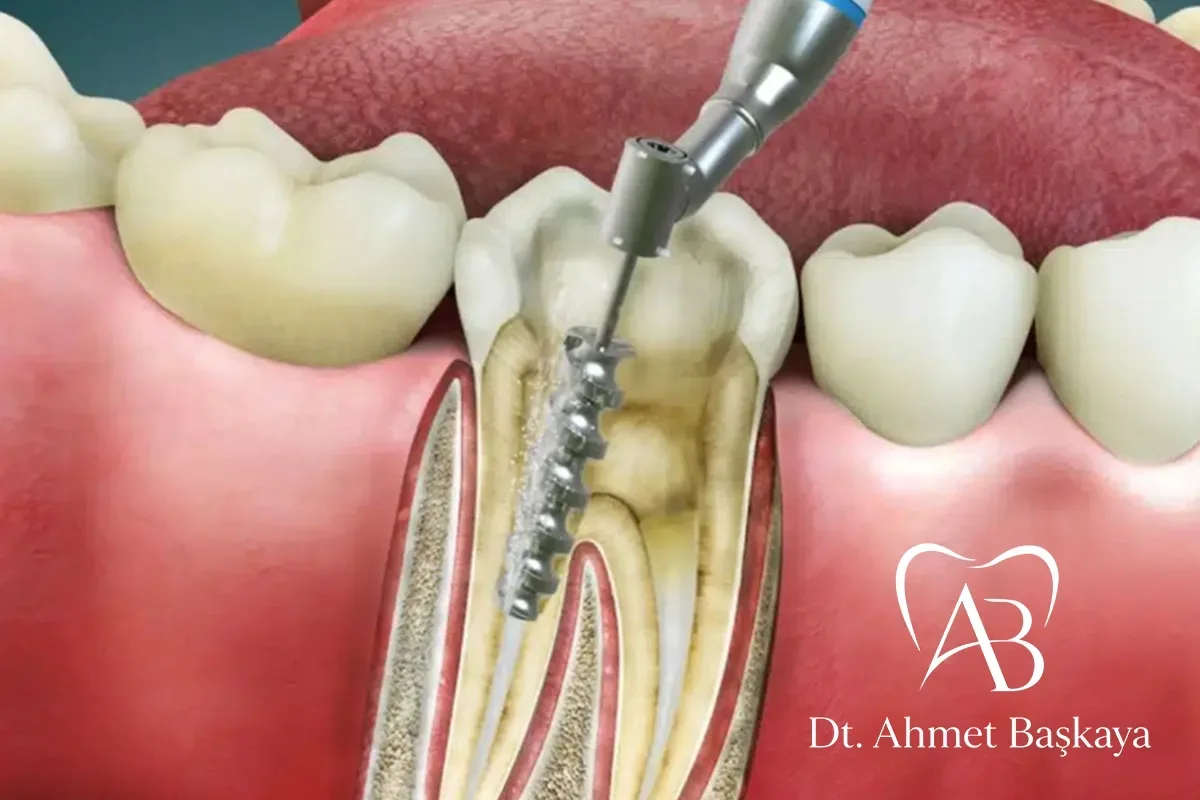
Scaling is one of the deep cleaning procedures used when gum disease has progressed. Plaque, tartar, and infected tissues that accumulate in gum pockets can gradually compromise gum health over time. When these deposits cannot be completely removed through superficial cleaning alone, a more detailed gum treatment plan may be recommended.
The goal of scaling treatment is to support gum health by removing harmful tissues and buildup accumulated inside the gum pockets. This procedure can help control gum inflammation, reduce symptoms such as bleeding and swelling, and protect the tissues that support the teeth. In advanced cases of gum disease, it is particularly important to tailor the treatment plan to the individual patient.
Scaling and root planing treatment is planned based on the patient’s stage of gum disease, gum pocket depth, tartar buildup, and overall oral health. After the procedure, regular oral hygiene, the use of dental floss or interdental brushes, and keeping up with follow-up appointments are crucial for treatment success. At Vita Dental Clinic in Bursa, Dr. Ahmet Başkaya evaluates the patient’s gum condition to determine the appropriate treatment and care plan.
In Which Cases Is Laser Gum Treatment Used?
Laser gum treatment is one of the modern applications that can be used as a supportive method in certain gum treatments. Laser technology can help enable more controlled intervention on gum tissue in appropriate cases. However, laser use is not mandatory for every patient; the treatment plan must be determined based on the severity of gum disease, the condition of the tissues, and clinical examination findings.
Laser applications may be preferred, based on the dentist’s assessment, for gum infections, gum reshaping, certain soft tissue procedures, or the management of specific problems in gum tissue. In cases such as gum inflammation, gum swelling, or aesthetic gum contouring, lasers can be one of the options that support the treatment process. However, whether a laser alone is sufficient is evaluated based on the patient’s overall oral health and treatment needs.
Laser gum treatment is not necessary for every patient. For some patients, scaling, root planing, or traditional periodontal methods may be more appropriate. At Vita Dental Clinic in Bursa, Dr. Ahmet Başkaya determines whether laser treatment is necessary based on a personalized examination that evaluates the patient’s gum health, infection level, and treatment expectations.
How Should Post-Treatment Care Be Managed After Gum Treatment?
Post-treatment care is crucial for maintaining the success of the treatment and supporting long-term gum health. After treatment, patients should brush their teeth regularly, use dental floss or an interdental brush, and follow the dentist’s recommendations regarding oral care products. Gum care treatment is not limited to procedures performed at the clinic; the patient’s consistent adherence to proper daily oral hygiene habits is also a vital part of the process.
In the first few days, you may experience gum sensitivity, slight bleeding, or tenderness. During this period, it is important to avoid brushing too hard, to clean with gentle motions that do not irritate the gums, and to follow the dentist’s care recommendations. The healing process of the gums should be closely monitored, especially after scaling, tartar removal, or other periodontal procedures.
Regular check-ups and professional cleanings should not be neglected to maintain gum health. Oral hygiene must be maintained consistently to prevent the re-accumulation of plaque and tartar, and a dentist should be consulted if symptoms such as bleeding or swelling of the gums reappear. At Vita Dental Clinic in Bursa, Dr. Ahmet Başkaya supports the maintenance of treatment results by providing patients with personalized care recommendations following gum disease treatment.
What Factors Affect the Cost of Gum Disease Treatment?
Gum disease treatment costs may vary depending on the severity of the condition, the treatment method used, and the scope of the treatment process. Since gum problems vary in severity from patient to patient, pricing must be evaluated on a case-by-case basis. Conditions such as bleeding gums, receding gums, gum inflammation, tartar buildup, or gum infections can directly affect the treatment plan.
Key factors affecting the cost include tartar removal, deep cleaning, scaling and root planing, the number of sessions, the condition of the gum pockets, the need for X-rays, and additional periodontal procedures. Additionally, if procedures such as gum recession treatment, treatment for advanced gum recession, or laser gum treatment are required, the scope of treatment and total cost may vary. Therefore, a detailed evaluation of the patient’s gum health is necessary to provide accurate pricing information.
It is important for patients in Bursa seeking gum treatment not to base their decisions solely on price. Accurate diagnosis, sterile working conditions, the dentist’s experience, personalized treatment planning, and a regular follow-up process should all be considered for long-term gum health. At Vita Dental Clinic, Dr. Ahmet Başkaya creates a personalized treatment plan by evaluating the patient’s gum condition, oral hygiene habits, and treatment needs.
Why Choose Vita Dental Clinic for Gum Disease Treatment in Bursa?
For patients seeking gum disease treatment in Bursa, an accurate diagnosis, personalized evaluation, and a regular follow-up process are crucial. At Vita Dental Clinic, gum disease treatment is planned by evaluating the patient’s gum health, tartar buildup, bleeding, swelling, gum recession, and oral hygiene habits together. This approach helps ensure that each patient receives a treatment process tailored to the severity of their gum disease, rather than a one-size-fits-all procedure.
Dr. Ahmet Başkaya conducts a detailed analysis of the patient’s current symptoms, the condition of the gum tissue, tartar buildup, the degree of gum recession, and oral hygiene habits during the gum disease treatment process. The methods that can be applied before treatment, the number of sessions, care recommendations, and post-treatment expectations are clearly explained to the patient. This allows the patient to prepare for the process in a more informed and confident manner.
At Vita Dental Clinic, patients are provided with detailed information regarding gum disease treatment costs, treatment duration, tartar removal, scaling, gum recession treatment, and post-treatment care. For patients in Bursa seeking to maintain their gum health, this transparent information and personalized treatment planning provide a more comfortable and reassuring treatment experience.
Frequently Asked Questions About Gum Treatment
What is gum disease treatment?
Gum disease treatment is a process aimed at controlling issues such as inflammation, bleeding, swelling, recession, or infection in the gums and preserving gum health. This treatment helps protect not only the gums but also the health of the tissues supporting the teeth.
How is gum disease treatment performed?
Gum disease treatment begins with an examination and evaluation of the gums. Depending on the severity of the condition, treatments such as scaling, deep cleaning, root planing, local maintenance procedures, or various periodontal procedures may be planned. The treatment process is tailored to the individual based on the patient’s gum health.
Is it possible to treat receding gums?
Treatment for receding gums can be planned based on the cause and severity of the recession. In mild cases, oral hygiene education, professional cleaning, and sensitivity management may be sufficient, while more advanced cases may require various periodontal procedures. The appropriate treatment method is determined following a detailed examination.
What factors affect the cost of gum disease treatment?
The cost of gum disease treatment may vary depending on the severity of the condition, the treatment method to be used, the need for tartar removal or scaling, the number of sessions, and any additional procedures. An evaluation of your gum health by a dentist is required to determine the exact cost.
What precautions should be taken after gum disease treatment?
After gum disease treatment, you should practice regular oral hygiene, use dental floss or an interdental brush, and avoid brushing too hard. Additionally, to maintain gum health, you should not miss dental checkups and should follow recommendations for dental scaling and professional care.