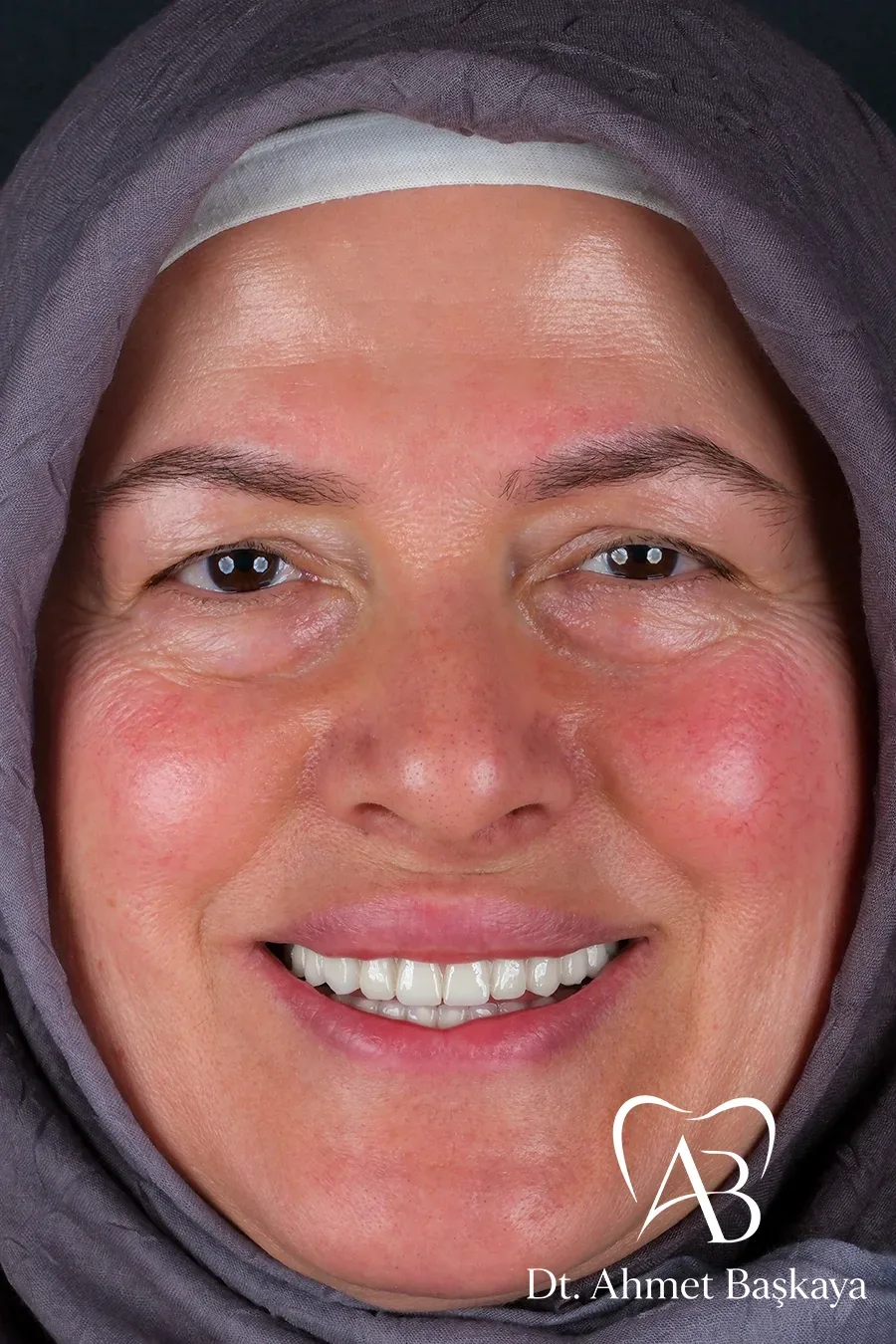

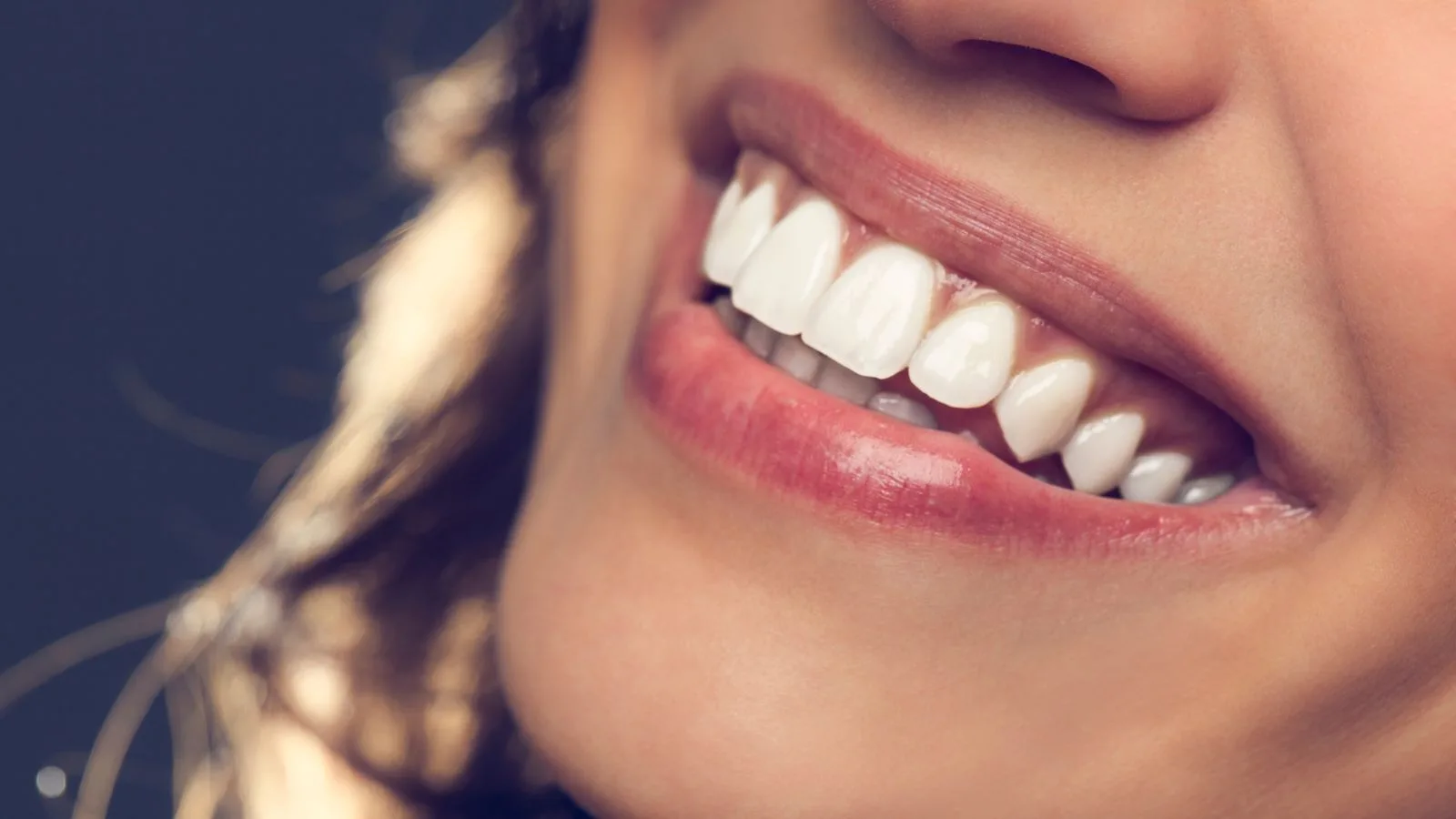
Hollywood Smile (Smile Design): The Integration of Aesthetics and Function
One of the most powerful and natural tools of human communication is undoubtedly a healthy smile. In our daily lives, social relationships, or professional work life, the first impression we leave on the person in front of us is shaped largely by our facial expression. The structure, alignment, color of the teeth, and the condition of the gums form the fundamental building blocks of this expression. Over time, structural problems in the teeth caused by various environmental factors, genetic characteristics, or inadequate oral care can directly affect individuals' self-confidence.
At this point, the concept of "Hollywood Smile" (Smile Design), one of the most frequently asked about and researched topics among aesthetic dentistry practices, comes into play. However, contrary to popular belief, this concept does not refer to a single standard template or merely "white teeth." On the contrary, it is a multidisciplinary treatment protocol prepared entirely in light of individual anatomical data. In this comprehensive guide, we will examine the medical background of smile design, the stages it consists of, and the scientific criteria dentists consider during treatment with full transparency.
What Exactly Is a Hollywood Smile (Smile Design)?
A Hollywood smile is a comprehensive treatment approach whose name comes from the screen appearances of actors and actresses in the film industry; it aims for ideal harmony between the lips, teeth, gums, and overall facial integrity. Its equivalent in the medical literature is aesthetic smile design.
The main purpose of this procedure is not only to whiten teeth or correct deficiencies. By taking into account many variables such as the patient's facial features, gender, age, skin tone, lip thickness, and even the smile line, the most suitable and natural-looking jaw-facial dynamics are created. A successful smile design should meet aesthetic expectations while also fully preserving essential oral functions such as chewing, speaking, and breathing.
Which Medical Criteria Are Considered in the Smile Design Process?
In the clinical setting, your dentist carries out a detailed analysis before starting treatment. During these analyses, specific reference points on the face are measured and planning is made within the framework of the "golden ratio" rules.
Midline Harmony: The aim is for the virtual line passing through the exact center of the upper two front teeth to align with the line passing through the exact center of the face (the tip of the nose and the lip curve).
Smile Line: When you smile, the imaginary curve connecting the incisal edges of your upper teeth being parallel to the inner curve of your lower lip offers the most ideal aesthetic appearance.
Tooth Sizes and Proportions: The ratio between the width and length of the two front central incisors is calculated down to the millimeter according to the overall oval or angular structure of the face.
Zenith Points: The symmetry of the highest points where the gums surround the teeth is one of the most important hidden details of an aesthetic smile.
Which Treatment Stages Does a Hollywood Smile Include?
Smile design is not just a single procedure. Depending on the patient's oral condition, it may require several dental specialties to work together. The main applications needed are as follows:
1. Gum Aesthetics (Pink Aesthetics - Gingivoplasty)
The foundation of a healthy and aesthetic smile depends on the condition of the gums. If your gums are much more visible than normal when you smile (Gummy Smile), or if there are asymmetric level differences in your gums, surgical adjustments known as "pink aesthetics" are performed first. With the help of laser or cautery devices, the gums are shaped down to the millimeter, and the tooth lengths are brought to the ideal proportion.
2. Veneers and Full Ceramic Crowns
Among the most commonly used methods to change the form and color of teeth are porcelain veneers and full ceramic (E-max/Zirconium) restorations.
Veneers: These are leaf-shaped porcelains applied by performing very minimal reduction (0.3 - 0.5 mm) on only the front surfaces of the front teeth, or sometimes with no reduction at all, and their translucency is closest to that of natural teeth.
Zirconium and E-max Crowns: If there is greater loss of tooth substance, crowding, or discoloration caused by root canal treatment, zirconium or lithium disilicate (E-max) blocks that fully cover the tooth and have extremely high tissue compatibility are preferred. Since these materials do not contain a metal substructure, they do not cause discoloration of the gums and offer an exceptionally natural depth.
3. Orthodontic Treatments
If the patient has severe crowding or bite problems, the teeth need to be brought into the correct position before the restoration process. The teeth are aligned using advanced clear aligner treatments or traditional braces. This helps prevent unnecessary removal of tooth structure and creates a much healthier foundation.
4. Implant Treatment and Teeth Whitening (Bleaching)
The presence of missing teeth is one of the biggest obstacles that disrupt aesthetic integrity. Missing teeth are replaced with titanium implants placed in the jawbone. In addition, in cases where the patient is satisfied with the natural form of their teeth but only complains about the shade, the desired brightness can be achieved by applying dentist-controlled teeth whitening sessions in a clinical setting.
How Is Tooth Shape Determined According to Face Type?
The shape of the veneers to be applied is directly related to the patient's characteristics and facial anatomy. Each tooth shape gives a different expression to the person.
For Oval Faces: Tooth shapes that are generally more rounded and not square-like are preferred. These teeth give the face a softer and more harmonious expression.
For Square and Angular Faces: In these face types with pronounced jaw lines, tooth designs with sharper and more defined lines are used to create a strong image.
For Round Faces: To make the face appear a bit longer and slimmer, slender-long tooth designs with a length greater than their width are planned.
How Long Does the Treatment Take and What Should Be Considered Afterward?
The process varies significantly depending on the scope of the planned procedures. In a case where only veneers or zirconium crowns will be made, treatment can generally be completed within 1 to 2 weeks, in an average of 3-4 sessions. However, when implant surgery or gum operations are involved, this period may extend over several months due to tissue healing times.
The lifelong preservation of the result achieved after smile design depends on how faithfully the patient follows their daily oral hygiene routine.
Teeth should be brushed at least twice a day using the correct technique with soft-bristled toothbrushes recommended by the dentist.
To prevent food accumulation at the interfaces of the restorations, the use of dental floss or a water flosser should definitely not be neglected.
Hard-shelled foods such as walnuts and hazelnuts should not be cracked with the teeth; as this may damage your natural teeth and may also cause the porcelain to break.
Regular dental check-ups every six months should be performed to detect plaque buildup or gum problems at an early stage.
Healthcare Services Information and Warning Text
This article has been prepared within the framework of the "Regulation on Promotional and Informational Activities in Healthcare Services" solely to inform the public about medical processes and to raise general oral health awareness. Under no circumstances do the contents herein replace a medical diagnosis, a definitive treatment promise, a guaranteed result, or a doctor's advice.
Smile design is a medical intervention that is fully personalized according to each patient's biological tissue structure, bone level, and healing potential. Forming direct expectations about your own health based on before-and-after images or general information available on the internet may be misleading. In order to be diagnosed in the most accurate way for your aesthetic and functional issues and to create a safe treatment plan suitable for you, you must apply to a fully equipped healthcare institution and be examined in a clinical setting by specialist dentists.