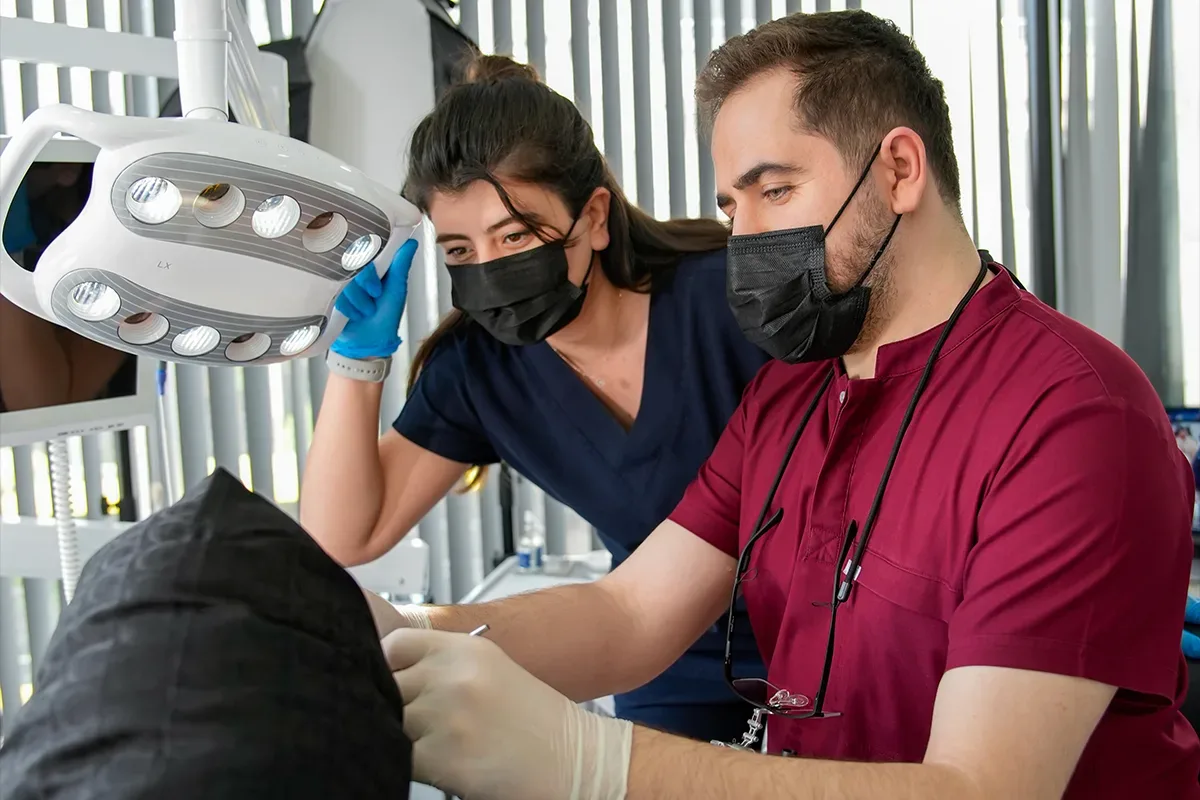


Bursa gum treatment is an important oral and dental health topic frequently searched by patients experiencing complaints such as gum bleeding, gum recession, gum inflammation, swelling, bad breath, or loose teeth. Gum problems may initially appear with mild symptoms; however, if not treated in time, they can lead to more serious periodontal issues and a risk of tooth loss.
Gum health is important not only for aesthetics but also for keeping teeth healthy in the mouth. For this reason, early detection of gum diseases may increase treatment success and help prevent progressing problems.
In this article, you can find guide-like information for patients searching for gum treatment Bursa, including gum diseases, bleeding, recession, inflammation, the periodontal treatment process, and gum treatment in Bursa with Dt. Ahmet Başkaya.
What Are Gum Diseases?
Gum diseases are health problems that affect the soft tissues surrounding the teeth and, in advanced cases, can extend to the jawbone supporting the teeth. In the early stages, symptoms such as gum redness, swelling, sensitivity, and bleeding during brushing may be seen. This period is generally considered gingivitis.
As gum diseases progress, problems such as gum recession, bad breath, loose teeth, widening spaces between teeth, and discomfort while chewing may occur. Periodontal diseases can affect not only the gums but also the tissues supporting the teeth.
For this reason, paying attention to early signs and having regular dental checkups is important. Gum problems detected early can be treated in a more controlled and comfortable way.
When Is Bursa Gum Treatment Needed?
Bursa gum treatment may be necessary when symptoms such as bleeding, redness, swelling, sensitivity, bad breath, or recession are observed in the gums. Frequent bleeding, especially while brushing or flossing, should not be considered normal. This may be a sign of problems such as gingivitis or tartar buildup.
Gum recession, loose teeth, the feeling that teeth have become longer, widening spaces between teeth, a bad taste, or persistent bad breath may also indicate gum disease. In addition, tartar buildup, poor oral hygiene, and lack of regular checkups can cause gum problems to progress.
When these symptoms are noticed, a dental examination should not be delayed. Dt. Ahmet Başkaya can evaluate the patient’s gum condition and create a personalized treatment plan.

Why Does Gum Bleeding Occur?
Gum bleeding is one of the important signs that many patients notice during daily oral care but often ignore. Bleeding that occurs especially while brushing or flossing should not be considered normal. This condition is often associated with gingivitis, tartar buildup, poor oral hygiene, improper brushing technique, or periodontal diseases.
Tartar can accumulate around the gum line and cause gum sensitivity, redness, and bleeding. Hard brushing or using an unsuitable toothbrush may also irritate the gums. However, if bleeding occurs frequently, it should not be attributed only to brushing mistakes.
For gum bleeding treatment, the cause of the bleeding must first be determined. A dental examination evaluates gum health and a suitable treatment plan is created for the patient.
Is Gum Recession Treatment Possible?
Gum recession treatment is planned according to the degree of recession, its cause, the condition of the gum tissue, and the patient’s overall oral health. Gum recession can occur due to different reasons such as tartar buildup, gum disease, hard brushing, poor oral care habits, genetic predisposition, or teeth grinding.
For patients searching for Bursa gum recession treatment, the most important step is correctly identifying the cause of the recession. In cases of gum recession detected early, progression may be controlled, and gum health may be supported with practices such as improving oral hygiene and tartar cleaning.
In cases of advanced gum recession, a more detailed periodontal evaluation may be required. If there is root exposure, sensitivity, bone loss, or aesthetic concerns, the treatment plan should be prepared individually. A dental examination is necessary for the definitive treatment option.
How Is Gingivitis Treated?
Gingivitis treatment begins with a gum examination. The dentist evaluates redness, swelling, bleeding, sensitivity, and tartar buildup in the gums and creates a treatment plan. Since one of the most common causes of gingivitis is tartar and plaque buildup, professional tartar cleaning is usually an important step in treatment.
After tartar cleaning, the patient is informed about proper tooth brushing, flossing, and oral hygiene habits. If necessary, more detailed periodontal cleaning procedures may also be planned. When gingivitis is treated early, it may help prevent more advanced gum diseases.
For this reason, when symptoms such as gum bleeding, swelling, or sensitivity are noticed, an examination should not be delayed.
What Problems Can Gum Swelling Indicate?
Gum swelling may be a sign of various oral and dental health problems. The most common causes include gingivitis, tartar buildup, infection, abscess, trauma, improper brushing, and oral hygiene problems. In some cases, gum swelling may be caused only by local irritation, while in others it may indicate more serious periodontal problems.
If the swelling lasts for a long time and is accompanied by pain, bleeding, bad odor, bad taste, or discomfort while chewing, a dental checkup should not be delayed. Untreated gum problems may, over time, cause gum recession, progression of infection, and damage to the supporting tissues of the teeth.
The most appropriate treatment should be planned after the cause of the swelling is determined through examination.
What Is Periodontal Treatment?
Periodontal treatment includes gum treatments aimed at protecting the gums, the supporting tissues around the teeth, and jawbone health. Patients searching for Bursa periodontics often need periodontal evaluation due to complaints such as gum bleeding, gum recession, tartar buildup, bad breath, or loose teeth.
The periodontal treatment process is planned according to the level of the patient’s gum disease. Treatment may include tartar cleaning, deep cleaning, root planing, plaque control, and personalized oral care recommendations. The goal is to bring gingivitis under control, protect the tissues supporting the teeth, and make the patient’s oral hygiene sustainable.
Early diagnosis is important in periodontal treatment. Interventions made before the disease progresses may help preserve gum health and reduce the risk of tooth loss.
Why Is Tartar Cleaning Important for Gum Health?
Tartar cleaning is an important procedure for protecting gum health and preventing the progression of gum diseases. Plaque accumulated on the tooth surfaces can harden over time and turn into tartar. When tartar builds up especially around the gum line, it can contribute to problems such as gum bleeding, redness, inflammation, bad breath, and gum recession.
Regular tartar cleaning helps gums become healthier and supports the maintenance of oral hygiene. However, cleaning alone may not be enough; the patient must also adjust daily tooth brushing, flossing, and oral care habits. Regular cleaning performed under dental supervision and proper oral care can help keep gum diseases under control.
How Is Advanced Gum Recession Treatment Planned?
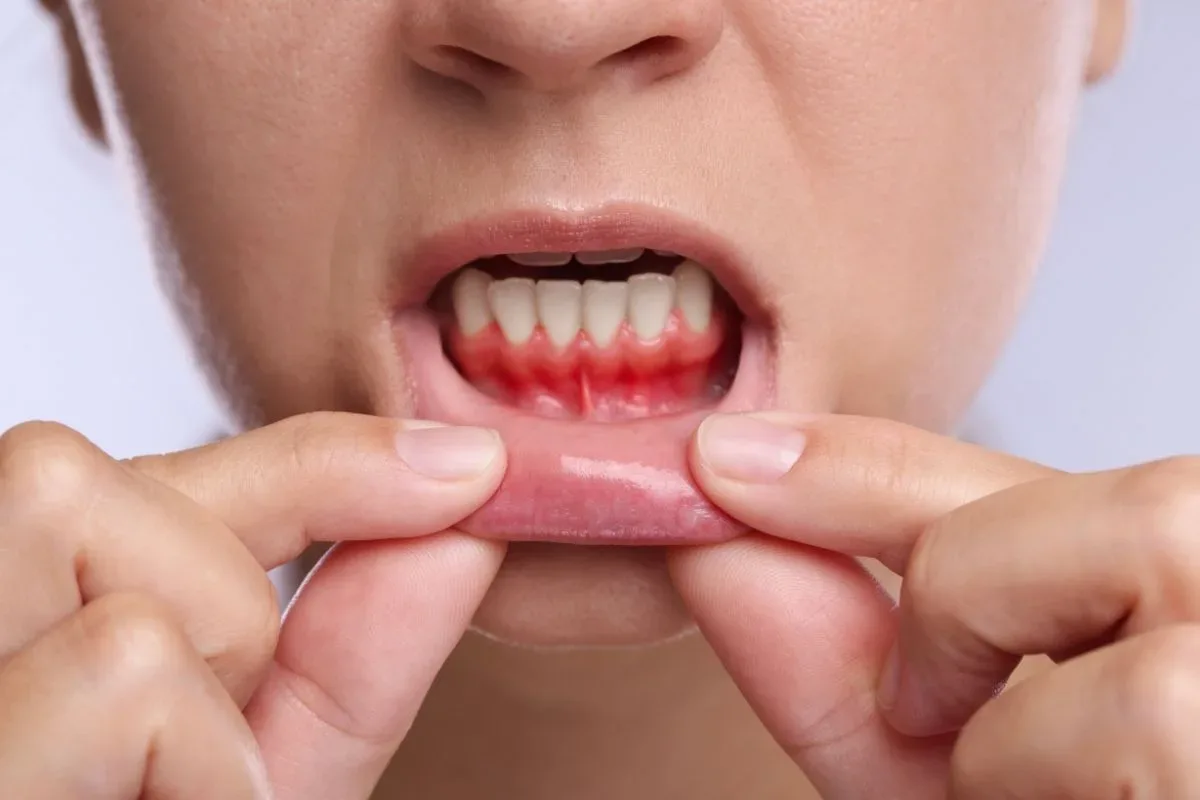
Advanced gum recession treatment must be planned after a detailed dental examination. This is because the degree and cause of gum recession, the condition of the bone tissue supporting the tooth, whether the tooth is loose, the quality of the gum tissue, and the patient’s oral hygiene can directly affect the treatment plan.
In some patients, gum recession causes only sensitivity and aesthetic concerns, while in advanced cases the root surface may become exposed, teeth may become loose, and supporting tissue loss may occur. Therefore, the treatment approach is not the same for every patient.
The treatment plan may consider tartar cleaning, periodontal cleaning, oral hygiene education, and, when necessary, more advanced periodontal procedures. The most appropriate method should be determined according to the degree of recession and the findings of the oral examination.
How Does the Bursa Gum Disease Treatment Process Progress?
The Bursa gum disease treatment process begins with listening to the patient’s complaints and performing a detailed gum examination. In the initial evaluation, symptoms such as gum bleeding, swelling, recession, tartar buildup, bad breath, sensitivity, and loose teeth are examined. If necessary, the bone structure supporting the teeth can also be evaluated with X-ray imaging.
The treatment plan is prepared individually according to the level of gum disease. In the early stages, tartar cleaning, plaque control, and oral hygiene education may be sufficient. In more advanced cases, periodontal cleaning, root planing, or different gum treatments may be required.
After treatment, the patient should be informed about how to perform oral care at home, what points to pay attention to, and the importance of follow-up appointments. Regular follow-up plays an important role in maintaining gum health.
Gum Treatment in Bursa with Dt. Ahmet Başkaya
The gum treatment process in Bursa with Dt. Ahmet Başkaya progresses through careful evaluation of the patient’s current complaints and the creation of a personalized treatment plan. In cases of gum bleeding, gum recession, gingivitis, tartar buildup, bad breath, or gum sensitivity, a detailed intraoral examination should first be performed.
Dt. Ahmet Başkaya can evaluate the patient’s gum health, tartar buildup, oral hygiene habits, and treatment needs, and provide information about suitable treatment options. The goal is not only to relieve the current complaint, but to plan a process that helps protect gum health in the long term.
For patients searching for Bursa gum treatment, a patient-centered approach, clear information, regular follow-up, and personalized treatment planning are important for a safe treatment experience.
What Do Bursa Gum Treatment Prices Depend On?
Bursa gum treatment prices may vary depending on the level of the patient’s gum disease and the treatment plan to be applied. Since the level of gum bleeding, tartar buildup, gum recession, inflammation, or periodontal disease is different in every patient, it is not correct to give a definite price without an examination.
Factors affecting the price include the amount of tartar buildup, the periodontal procedure to be performed, the number of sessions, the need for deep cleaning, the need for additional treatment, and the patient’s overall oral health. While simpler cleaning and care recommendations may be sufficient for early-stage gum problems, more detailed periodontal treatments may be necessary for advanced gum diseases.
For this reason, the most accurate information about Bursa gum treatment prices can be given with a personalized treatment plan created after a dental examination.
What Happens If Gum Diseases Are Not Treated?
If gum diseases are left untreated, they may progress over time and seriously affect oral health. Initially, only symptoms such as gum bleeding, redness, swelling, or sensitivity may appear. However, if these signs are ignored, gingivitis may progress into deeper tissues.
In advanced gum diseases, problems such as gum recession, exposed tooth roots, bad breath, discomfort while chewing, bone loss, and loose teeth may occur. Untreated periodontal diseases may increase the risk of tooth loss in later stages.
For this reason, symptoms such as gum bleeding or recession should not be considered normal, and a dental checkup should be done at an early stage. Early diagnosis, regular tartar cleaning, proper oral care, and a personalized periodontal treatment plan help protect gum health.