
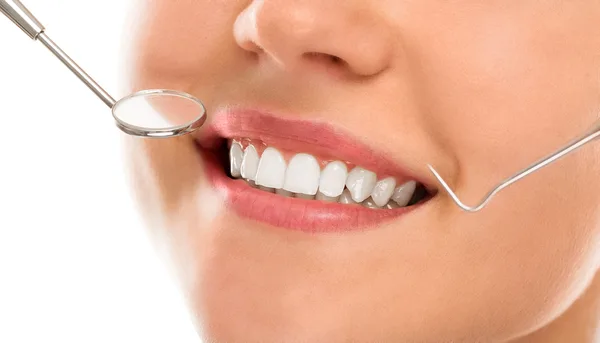
Bursa Zirconium Filling and Crown: Permanent Solutions for Natural Smiles
As material science in dentistry rapidly advances, the use of materials that meet aesthetic expectations at the highest level while also showing high resistance to chewing forces is becoming standard. At this point, zirconium is quickly replacing traditional metal-supported porcelain and standard composite (white) fillings thanks to its tissue compatibility (biocompatibility) and light transmittance. Although the term "zirconium filling" is commonly used in everyday language, in clinical practice these applications usually appear as "inlay/onlay" restorations custom-milled from zirconium blocks or as full crown restorations. Zirconium restorations applied in well-equipped dental clinics in Bursa aim to treat teeth with substance loss in a way that is both biocompatible and long-lasting.
What Is Zirconium?
Zirconium (zirconium dioxide) is a white, metal-free type of ceramic obtained by processing the naturally occurring zirconium mineral in a laboratory environment, yet it has a fracture resistance as high as metals. The reason it is used in dentistry is that it shows excellent harmony with the gums, does not cause allergic reactions, and has the ability to refract light like natural tooth enamel. Since it does not contain a gray or black metal substructure, it stands out especially in anterior aesthetic restorations and by not creating dark reflections along the gum line.
What Is Zirconium "Filling" (Inlay and Onlay)?
In traditional filling procedures (composite or amalgam), the dentist cleans the decay and places the soft filling material into the cavity, then hardens it with light. However, if the loss of tooth structure is very large (for example, if half the tooth has broken or decayed), standard fillings may break under chewing pressure. Reducing the tooth completely and placing a crown means sacrificing healthy tooth tissue as well.
This is exactly where Inlay and Onlay (Porcelain/Zirconium Filling) come into play. These restorations are not made directly inside the mouth; rather, they are "ready-made filling blocks" produced in a laboratory environment or in clinical 3D printer systems (CAD/CAM) to fit the tooth precisely.
Inlay: Covers the smaller areas between the cusps on the chewing surface of the tooth.
Onlay: Covers larger areas of substance loss, including one or more of the cusps on the chewing surface of the tooth.
In this system, after the decay is removed, a digital impression is taken, the zirconium block is milled with micron precision on computer-aided devices, and the resulting durable structure is bonded to the tooth with special adhesives.
Advantages of Zirconium Restorations (Filling and Crown)
The reason zirconium is so frequently preferred in aesthetic dentistry applications in Bursa is based on both mechanical and biological factors:
1. Superior Aesthetics and Light Transmittance
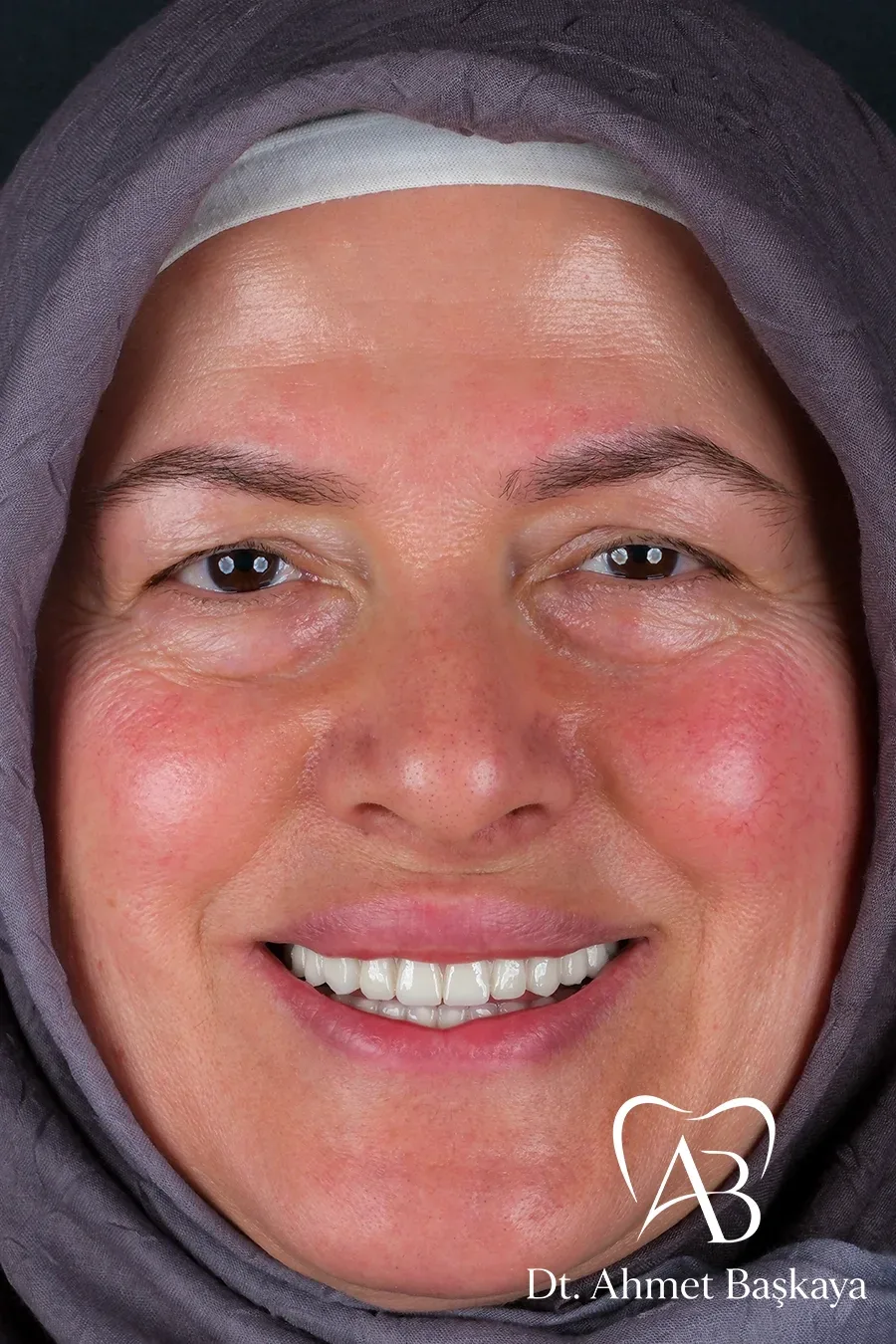
Natural tooth enamel has a translucent structure; light passes through the tooth and creates a natural depth. Zirconium perfectly mimics this light transmittance (translucency). Metal-supported porcelain, on the other hand, usually looks dull and artificial because it does not let light pass through.
2. Tissue Compatibility (Biocompatibility)
The oral cavity is a challenging environment that is constantly bathed in saliva and undergoes acidic changes. Some metals may corrode in this environment or cause allergic inflammation in the gums. Zirconium is 100% compatible with body tissues (bioinert). It does not irritate the gums, and it does not cause gum recession or purplish/gray discoloration at the gum margin.
3. High Chewing Resistance
Especially the back molars are exposed to very high forces during chewing. Zirconium has a flexural strength in the range of 900-1200 MPa (megapascal). This feature minimizes the risk of fracture in large areas of substance loss in the back region (onlay fillings or bridges).
4. Hot-Cold Insulation
Zirconium conducts heat much less than metals. This thermal insulation property greatly prevents sensitivity that may occur in teeth restored with zirconium when consuming excessively hot or cold foods.
5. Surface Smoothness
The zirconium surface is polished in a laboratory environment by firing at high temperatures (sintering) (glaze). On this extremely smooth surface, bacterial plaque, tea, coffee, or cigarette stains cannot adhere. Even after years, the restoration retains its original color and shine.
How Does the Treatment Process Progress?
The zirconium filling (inlay/onlay) or crown treatment process applied in Bursa is generally based on a very comfortable protocol completed in 2 or 3 sessions:
First Session: Preparation and Digital Impression
Under local anesthesia, all decayed tissue in the tooth is completely removed. The tooth is shaped according to the form of the inlay, onlay, or crown to be made. Then, instead of traditional putty impressions, a three-dimensional (3D) digital impression of the tooth is usually taken using intraoral scanners. This digital data is transferred instantly to the laboratory or the design computer in the clinic. In this session, a temporary filling or crown is applied so the patient is not left without a tooth or experience sensitivity.
Laboratory Stage (CAD/CAM Production)
The digital impression is processed in CAD (Computer-Aided Design) software, and the missing part of the restoration is designed virtually. This design is sent to the CAM (Computer-Aided Manufacturing) device and produced by milling from a zirconium block. The produced piece is sintered in high-grade furnaces to give it the desired color and increase its durability.
Second Session: Fit Check and Bonding
The zirconium filling or crown arriving from the laboratory is tried in the mouth. Marginal fit, the occlusal relationship with the opposing teeth, and the color are checked. When everything is deemed ideal, the zirconium restoration is fixed to the tooth using special, highly strong, light-cured chemical adhesives called "resin cement." The procedure is completed with polishing afterward.
Conclusion
A preventive approach is essential in dentistry. The goal is to keep as much healthy tooth tissue in the mouth as possible. Zirconium fillings (inlay and onlay) are advanced restorations that make it possible to replace the missing part like a puzzle without having to cut the tooth down completely, even in cases of very large substance loss. Thanks to modern clinical practices in Bursa, it is possible to achieve permanent and healthy tooth structures that are both biocompatible, aesthetic, and fully resistant to chewing forces using zirconium material. The only thing patients need to do in this process is extend the life of these aesthetic restorations through regular brushing and flossing after successful treatment.