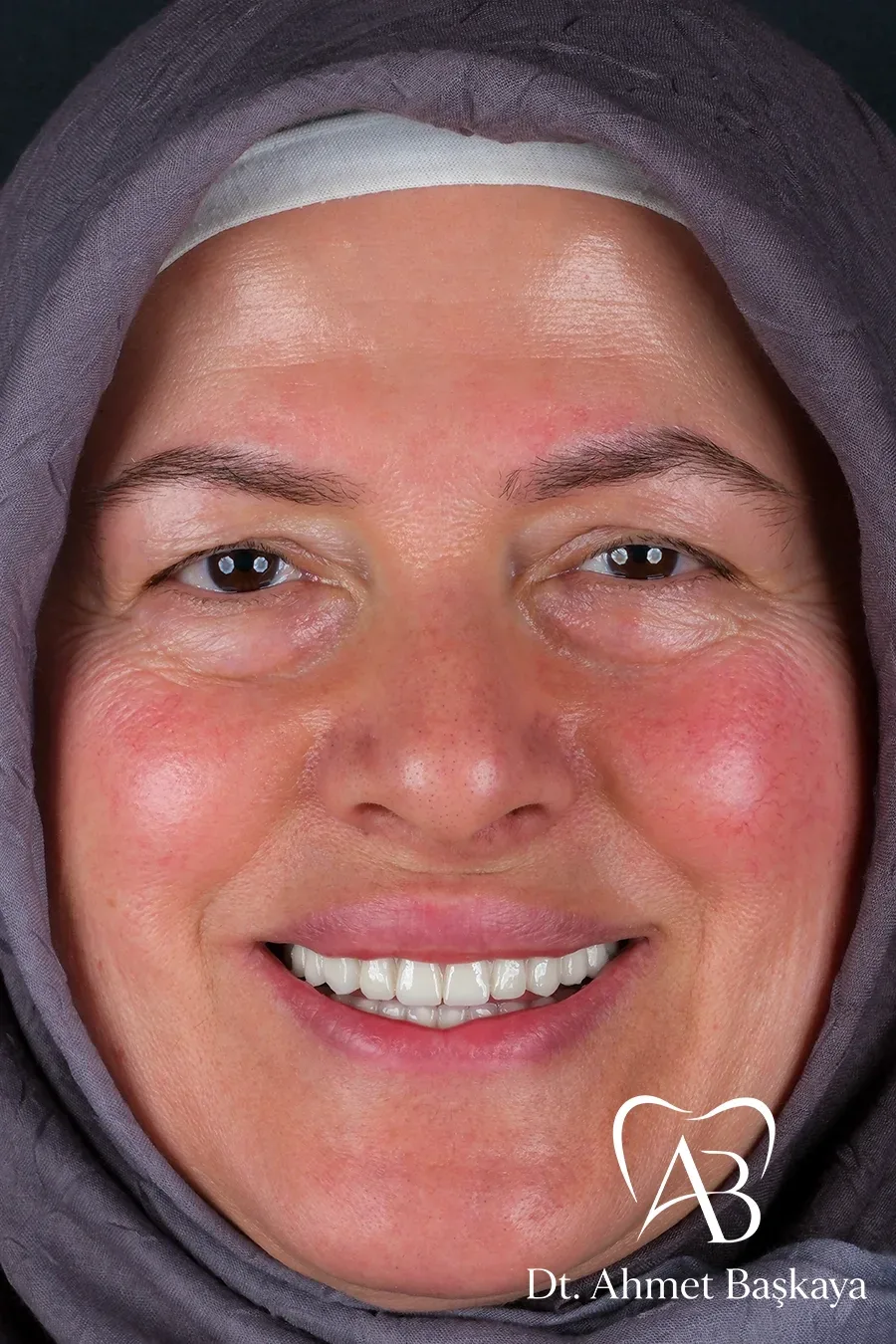

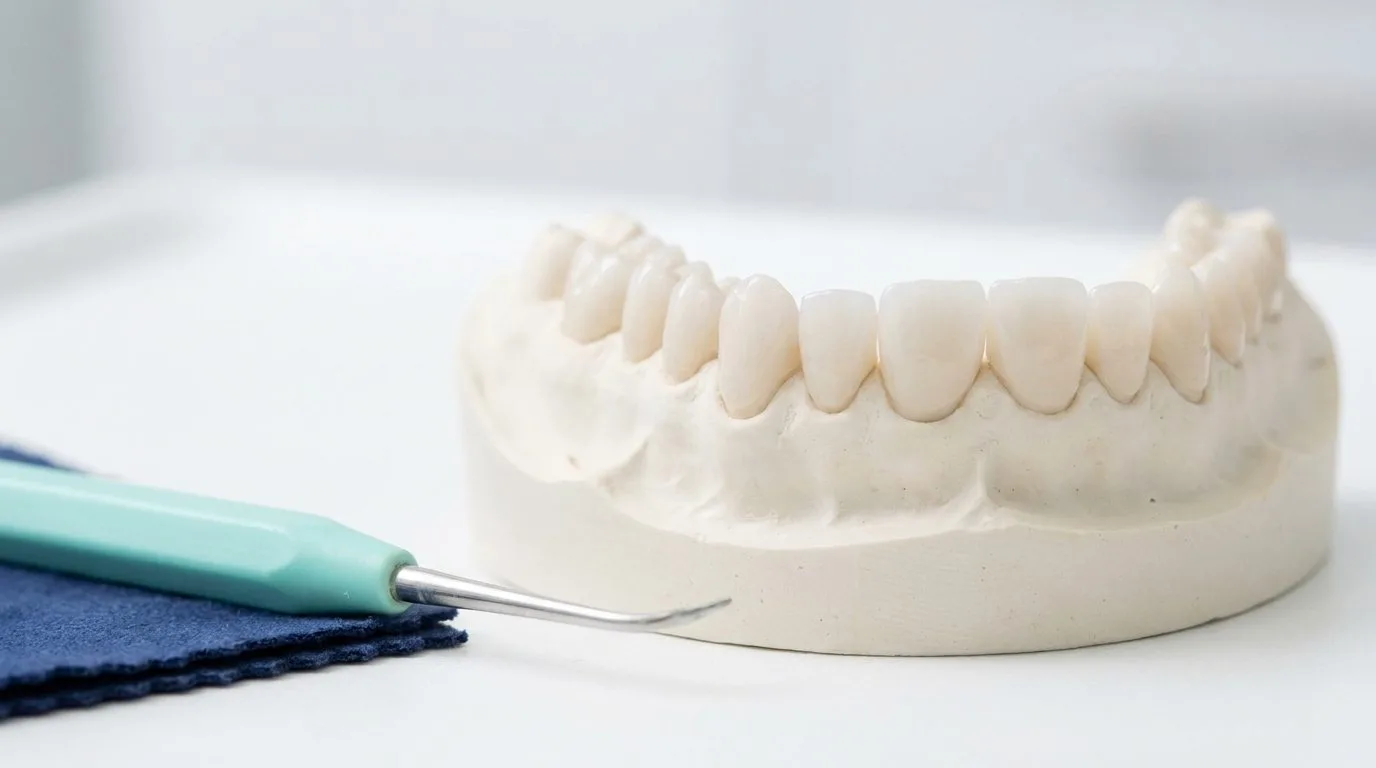
A healthy oral structure, complete chewing function, and an aesthetic smile are among the most important indicators of our overall health. Over time, teeth may suffer structural loss due to decay, trauma, genetic factors, or gum disease. Dentistry has developed various materials to repair these losses and restore the tooth’s natural form. In recent years, one of the most researched topics in dental restorations, due to its biocompatibility and aesthetic potential, has been porcelain with a zirconium substructure.
If you have tissue loss, severe discoloration, or shape irregularities in your teeth and are looking for scientific, objective, and clinical-level information about Bursa zirconium veneers processes, this guide will help you understand the properties of zirconium material and the treatment stages in detail.
This article has been prepared in full compliance with health information regulations and medical ethics rules, with the aim of informing the public about aesthetic and functional dental practice.
What Is Zirconium and Why Is It Used in Dentistry?
Zirconium (Zirconium Dioxide) is a white alloy obtained by combining the zirconium element found in nature with oxygen, and it shows extraordinary resistance to pressure. In dentistry, it is not used in its pure metal form but rather as a processed ceramic form to provide support under porcelain.
In previous years, gray/black metal alloys (chromium-cobalt, etc.) were placed underneath porcelain dental restorations so they could withstand chewing forces. However, these metal substructures blocked light transmission, causing teeth to look dull and, over time, creating a purplish line at the gum margin. Thanks to advances in materials engineering, zirconium material, which provides the durability of metal while allowing light transmission with its white color, has been introduced for use in dentistry. Its ability to meet aesthetic expectations and its high compatibility with body tissues have brought this material to the forefront.
Differences Between Metal-Supported Porcelain and Zirconium
The correct material selection for dental restorations is determined by your dentist according to your oral structure after a clinical examination. The structural differences that zirconium offers compared with traditional metal-supported restorations are as follows:
Light Transmission and Aesthetics: Natural tooth enamel has a semi-translucent structure and transmits some light. Zirconium substructures mimic this optical property, helping the tooth appear lively and deep. Metal substructures, on the other hand, reflect light completely, which can make the tooth look artificial (opaque).
Tissue Compatibility (Biocompatibility): Zirconium is a material that is 100% compatible with the human body (biocompatible). It can be used safely in patients who are allergic to metal alloys or who develop sensitivity.
Gum Health: Zirconium provides excellent compatibility with the gums. The gray/purple reflection commonly seen in metal-supported restorations as a result of gum recession is not seen in zirconium restorations.
Heat Insulation: Its heat insulation against hot and cold foods is higher than that of metal restorations. This minimizes the risk of sensitivity that may occur in teeth that retain vitality after tooth preparation.
In Which Cases Is Zirconium Veneering Applied?
Bursa zirconium veneers applications are planned in our clinics according to a wide range of restorative and aesthetic needs. Within the framework of general medical approaches, the main cases in which zirconium is preferred are as follows:
Severe Discoloration: In teeth that darken from the inside after root canal treatment or turn gray due to antibiotic (tetracycline) use and do not respond to standard whitening (bleaching) procedures.
Teeth with Significant Material Loss: To protect the tooth by encasing it completely in cases where a standard filling material cannot keep the tooth intact due to large cavities or fractures.
Diastema (Gapped Teeth) and Misalignment: For the aesthetic correction of mild to moderate alignment irregularities when orthodontic treatment is not possible or is not preferred by the patient.
Implant-Supported Prostheses: To provide both a durable chewing surface and an aesthetic appearance on titanium implants placed in the jawbone to replace lost teeth.
Renewal of Old Restorations: For updating old metal-supported bridges and crowns that have reached the end of their aesthetic lifespan, have poor marginal fit, or cause gum problems.
Bursa Zirconium Veneer Treatment Stages
The zirconium treatment process carried out in clinical settings requires precise measurements and step-by-step trials. A standard restoration process generally includes the following steps:
1. Clinical Examination and X-Ray Evaluation
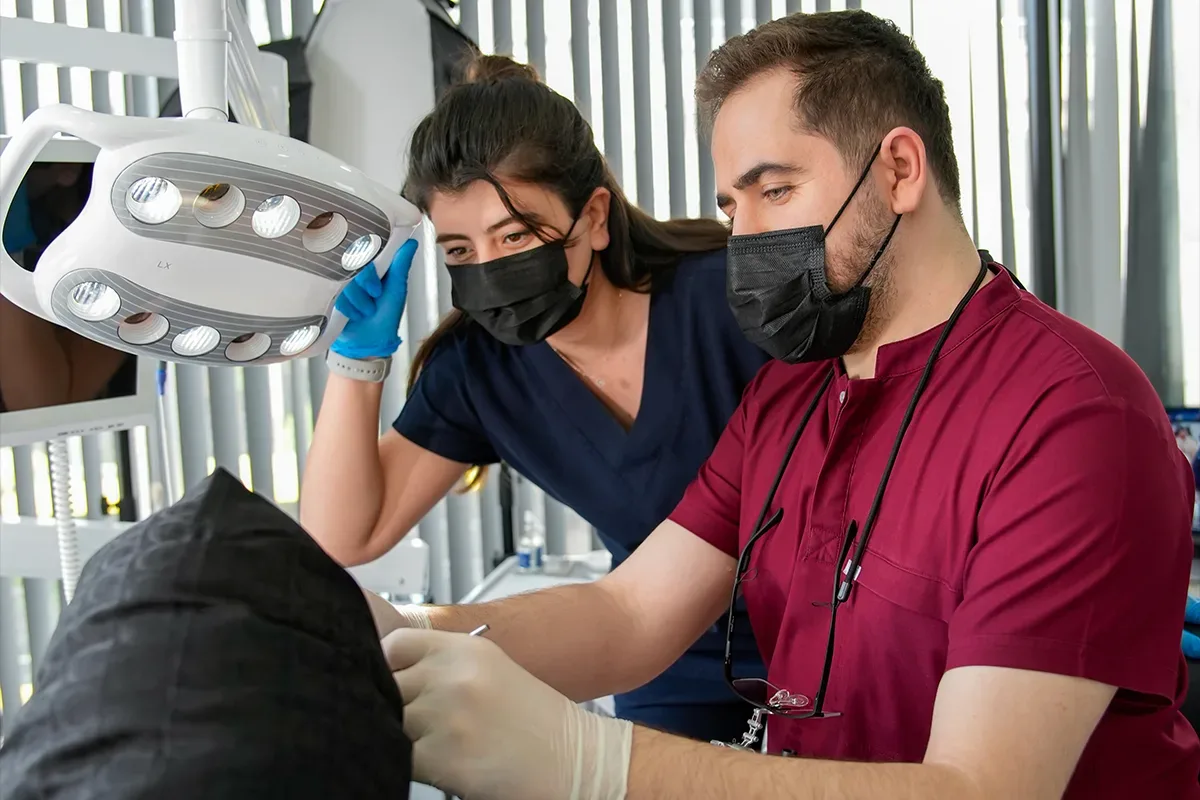
In the first stage of treatment, a detailed intraoral examination is performed, and panoramic or periapical X-rays are reviewed to assess the roots of the teeth and bone levels. If there is active decay or gum infection in the tooth to be restored, these conditions are treated first. Without a healthy foundation, the restoration placed on top will have a shorter lifespan.
2. Tooth Preparation (Preparatory Shaping)
The area to be treated is completely numbed with local anesthesia. To ensure the restoration fits within the dental arch without adding bulk, the tooth is roughened and reduced by a millimetric amount from all around, generally between 1 and 2 mm. Thanks to the anesthesia, the patient does not feel any pain during this process.
3. Digital or Physical Impression Taking
After the teeth are shaped appropriately, an impression is taken so the restoration can be fabricated in the laboratory. At this stage, conventional silicone impression materials may be used, or three-dimensional digital mapping can be performed using intraoral scanner cameras. The precise data obtained is transferred to the dental prosthetics laboratory.
4. Placement of Temporary Restorations
Since the prepared teeth become exposed to infection and temperature changes, "temporary restorations" made of acrylic material are fitted in the same session. This allows the patient to continue daily life, eating, and social activities without interruption until the permanent restorations arrive from the laboratory.
5. Framework and Porcelain Try-Ins
In the laboratory, zirconium blocks are milled using CAD/CAM (Computer-Aided Design and Manufacturing) technologies to create substructures that fit the patient’s oral anatomy exactly. Porcelain suitable for the tooth’s anatomy and desired shade is then applied on top. During clinical try-ins, the fit of the restorations to the gum, contact with adjacent teeth, chewing height, and aesthetic appearance are checked. Final adjustments are made with the patient’s approval.
6. Permanent Cementation (Bonding)
Zirconium restorations that successfully pass the trial stages are permanently fixed to the tooth using special dental cements (adhesives). These medical adhesives adhere at a microscopic level, preventing the restoration from shifting out of place. The treatment is completed with final checks and polishing.
How Should Zirconium Teeth Be Cared For, and How Long Do They Last?
Zirconium restorations show high resistance to staining factors such as tea, coffee, or tobacco products and do not yellow like natural teeth. They are also highly durable against chewing forces. However, the lifespan of a prosthesis depends not only on the quality of the material used but also on how carefully the patient maintains oral hygiene.
Zirconium-restored teeth should be brushed twice a day with fluoride toothpaste, just like natural teeth.
Dental floss should be used every day to prevent bacterial plaque from accumulating between the restorations. If a zirconium bridge spanning multiple teeth has been made, special floss called "superfloss" or interdental brushes should be used to clean underneath the bridge pontic.
Hard-shelled nuts such as walnuts or hazelnuts should not be cracked with the teeth; such excessive forces may cause cracks on the surface of the porcelain.
Patients with nighttime teeth grinding or clenching (bruxism) must use the protective night guard recommended by the dentist to protect their restorations.
Routine dental check-ups every 6 months should not be missed for early detection of possible problems.
With the correct indication, respect for biological principles, and support from precise laboratory work, zirconium veneer treatment provides a functional and aesthetic smile that a person can safely use for many years. To determine the most suitable treatment protocol for your teeth, the best step is to have an examination at a healthcare institution equipped with a clinical setup.
Legal Notice and Information
This article has been prepared solely to medically and objectively inform the public about oral and dental health practices, within the framework of the provisions of Law No. 1219 on the Practice of Medicine and Its Branches and the Ministry of Health’s Regulation on Promotional and Informational Activities in Health Services. The information contained herein cannot be used for the diagnosis or treatment of diseases, does not include guarantees such as "certain success," and does not serve any commercial purpose. In order to ensure the most suitable treatment planning for your oral, dental, and surrounding tissues, you must apply directly to a dentist and undergo an in-person clinical examination.