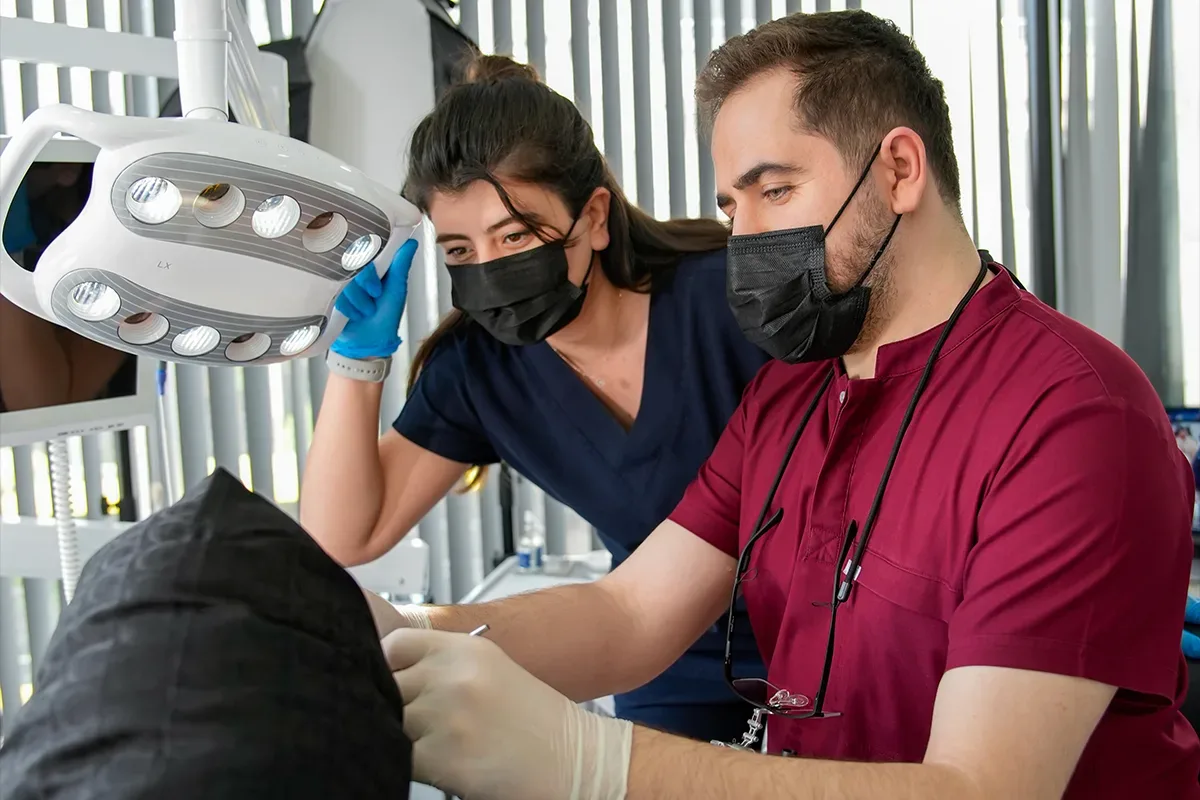

A dentist is a healthcare professional who provides services related to maintaining the health of the mouth, teeth, gums, and jaws, diagnosing diseases, and planning necessary treatments. Tooth decay, gum disease, broken or missing teeth, root canal treatment, fillings, crowns, implants, and cosmetic dental procedures are among the primary treatment areas addressed by dentists.
For patients searching for a dentist in Bursa, choosing the right dentist should not be based solely on the clinic’s location or treatment prices. The dentist’s communication with patients, examination approach, sterilization protocols, the way treatment options are explained, and the post-treatment follow-up process should also be taken into consideration. Regular dental checkups can help detect oral and dental health problems early on.
At Vita Dental Clinic, Dr. Ahmet Başkaya creates a personalized treatment plan by evaluating the patient’s complaints, tooth and gum structure, existing fillings, bite alignment, and aesthetic expectations. In this article, we will address frequently asked questions—such as who a dentist is, what treatments they perform, what checks are conducted during the initial examination, how the dental appointment process works, and what to consider when choosing the nearest dentist—in simple and easy-to-understand language.
Who Is a Dentist and What Treatments Do They Perform?
A dentist is a healthcare professional who diagnoses, treats, and monitors diseases related to the health of the mouth, teeth, gums, and jaw. Dentists do more than just treat existing complaints; they also provide examination and check-up services to maintain oral and dental health, identify potential problems early on, and develop appropriate care recommendations for patients.
Treatments performed by dentists include cleaning and filling cavities, root canal therapy, tooth extractions, treatment of gum diseases, scaling, crowns, implants, and dentures. In addition, cosmetic dentistry procedures such as teeth whitening, bonding, zirconia crowns, laminate veneers, and smile design can be planned according to the patient’s needs.
The dental treatment to be administered is determined based on the patient’s symptoms, the condition of their teeth and gums, their overall oral health, and the results of necessary imaging tests. For this reason, even patients with the same symptoms may require different treatment options. Following a detailed dental examination, the patient is provided with information about treatment options, the process, and care recommendations, and a personalized plan is created.
Is There a Difference Between a “Dentist” and a “Dental Doctor”?
From a professional standpoint, there is no difference between the terms “dentist” and “dental doctor.” Both terms refer to the same healthcare profession that provides examination, diagnosis, and treatment services in the field of oral, dental, gum, and jaw health. Although the term “dental doctor” is used more frequently in everyday conversation, the official title of the profession is “dentist.”
Dentists practice their profession after completing the required education at university schools of dentistry. During their education, they receive theoretical and practical training in various fields, such as oral and dental anatomy, cavity treatment, root canal therapy, gum diseases, surgical procedures, prosthetics, and preventive dentistry.
A dentist listens to the patient’s complaints, performs an oral examination, and, when necessary, uses imaging methods such as X-rays. Appropriate treatment options are determined based on the findings. While some treatments can be performed by a general dentist, in cases requiring specialized expertise, the patient may be referred to the appropriate specialist.
What Should You Consider When Choosing a Dentist in Bursa?
For patients looking for a dentist in Bursa, choosing the right dentist is crucial for maintaining oral and dental health and ensuring the treatment process proceeds safely. The dentist’s professional experience, their approach to listening to the patient’s concerns, their ability to explain treatment options clearly, and their capacity to create a personalized treatment plan are among the key criteria to evaluate.
The clinic’s sterilization protocols, the equipment and technologies used, the hygiene standards applied during treatment, and the post-treatment follow-up process are also important factors. Clearly informing the patient about the procedures to be performed, alternative treatment options, the duration of treatment, and necessary aftercare helps establish a relationship of trust between the dentist and the patient.
When choosing a dentist, the decision should not be based solely on the cost of treatment or the clinic’s location. An accurate diagnosis, a treatment plan appropriate for oral health, the materials used, patient communication, and the long-term follow-up process should all be evaluated together. Proceeding with a dentist with whom the patient feels comfortable and can receive clear answers to their questions can help the patient follow the treatment process more consciously.
What Treatments Do Dentists in Bursa Provide?
A dentist in Bursa can diagnose and treat various problems related to oral, dental, and gum health. Common procedures include cleaning cavities and placing fillings, root canal treatment, tooth extraction, dental scaling, and the treatment of gum diseases. When necessary, preventive measures and regular check-up plans can also be established.
Implant and prosthetic treatments may be considered to replace missing teeth. For patients with aesthetic expectations, procedures such as zirconia crowns, porcelain veneers, bonding, teeth whitening, and smile design can be planned. The treatment to be administered is determined based on the patient’s tooth structure, gum health, bite alignment, and current oral health status.
Since every patient’s treatment needs are different, there is no standard treatment plan. At Vita Dental Clinic, Dr. Ahmet Başkaya creates a personalized dental treatment plan by evaluating the patient’s complaints, oral structure, necessary imaging results, and aesthetic expectations. Patients are provided with detailed information regarding treatment options, the process, and aftercare recommendations.
What Examinations Does the Dentist Perform During the Initial Visit?
During the initial dental examination, the patient’s symptoms, when the pain began, previous treatments, and general health status are assessed. Gathering information about medications, chronic conditions, allergies, and any prior dental treatments helps ensure the examination proceeds safely and accurately.
During an intraoral examination, the teeth are examined for cavities, fractures, wear, cracks, and the presence of old fillings or crowns. The health of the gums is assessed, including bleeding, swelling, recession, tartar buildup, oral hygiene, and bite alignment. When necessary, chewing function, missing teeth, and aesthetic expectations are also taken into consideration.
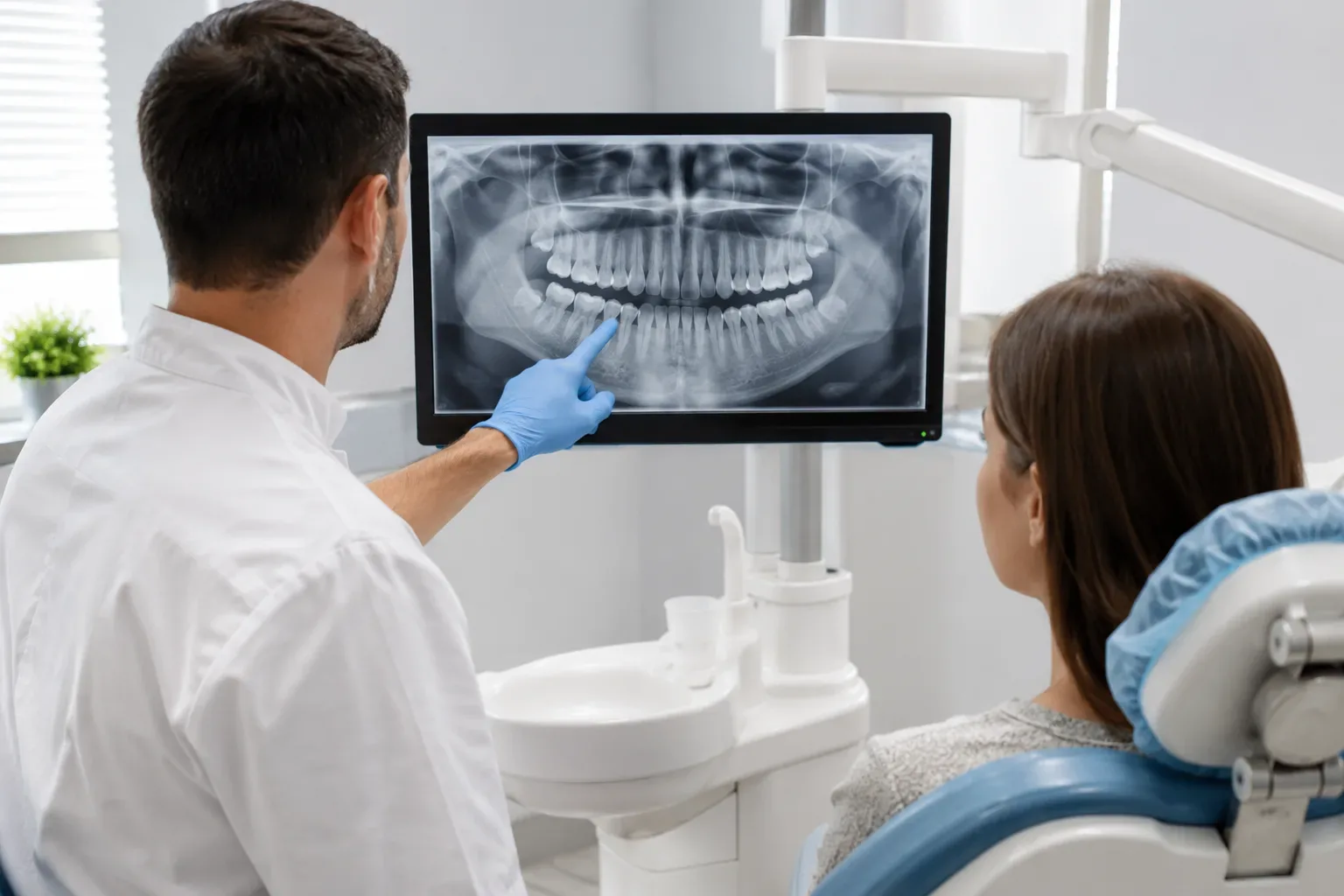
Depending on the findings of the examination, a panoramic X-ray or other imaging methods may be used. Based on the information obtained, a dental treatment plan tailored to the patient’s needs is prepared. Treatment options, the procedures to be performed, the number of sessions, the process, and aftercare recommendations are explained to the patient in an easy-to-understand manner.
How Does the Dentist Appointment Process Work?
The dental appointment process begins when the patient schedules an appointment for a convenient date and time. During the appointment, brief information may be gathered regarding the patient’s primary complaint and any urgent issues, if applicable. This ensures that necessary preparations are made prior to the examination and that an appropriate evaluation time is scheduled.
During the examination, the patient’s complaints are listened to in detail, and an intraoral examination is performed. When necessary, X-rays or other imaging methods are used to evaluate the teeth, gums, jaw structure, and existing restorations. Based on the findings, treatment options are determined, and a personalized plan is created in order of priority.
It is important to provide the patient with detailed information regarding the estimated duration of treatment, the number of sessions, the procedures to be performed, care recommendations, and the follow-up process. This information helps the patient prepare for treatment more consciously and follow the process more comfortably. At Vita Dental Clinic, Dr. Ahmet Başkaya plans the examination and treatment process individually for each patient based on their specific needs.
What Should You Keep in Mind Before a Dental Appointment?
Before a dental appointment, it is helpful for the patient to recall their current symptoms, when the pain began, and any previous treatments as clearly as possible. Daily oral hygiene can be performed before the appointment; however, avoid brushing the painful or sensitive area too vigorously. If there is an urgent issue, please inform the clinic staff when scheduling the appointment.
Medications currently being taken, chronic illnesses, pregnancy or breastfeeding status, allergies, and any past adverse drug reactions should be reported to the dentist. Patients taking blood-thinning medications should not stop taking their medications or change their dosage without a doctor’s recommendation. This information helps ensure that the examination and dental treatment process can be planned more safely.
Bringing any previous X-rays, records of prior treatments, information on implants or dentures, and a current list of medications to the appointment can facilitate the evaluation. It is also helpful for the patient to write down any questions they have about the treatment in advance, as this contributes to a more productive consultation. This allows for a more detailed discussion of treatment options, the process, and the care and follow-up plan.
How Should You Choose the Closest Dentist?
When looking for the nearest dentist, you shouldn’t base your decision solely on the clinic’s location. While easy access to the clinic is an important advantage, the dentist’s professional approach, communication with the patient, the examination process, and the way treatment options are explained should also be evaluated. Trust and the ability to receive regular follow-up care are particularly important for long-term treatments.
The clinic’s hours of operation, appointment system, ability to contact them in emergencies, sterilization protocols, and the treatments they offer should all be examined together. You can find out whether the clinic offers the procedures you need, such as fillings, root canal treatment, tooth extractions, implants, crowns, or gum disease treatment. The clinic’s ability to refer you to specialists in other fields when necessary should also be taken into account.
Accurate diagnosis, clear communication, and personalized treatment planning are just as important as proximity. When choosing a dentist, factors such as an appropriate approach to oral health, post-treatment follow-up, and the patient’s sense of security should be evaluated together—not just price or distance. For patients seeking a dentist in Bursa, choosing a clinic that allows for ongoing communication can help ensure the treatment process is regularly monitored.
Is It Necessary to Visit the Dentist Even Without Tooth Pain?
Even if you don’t have a toothache, regular dental checkups are important for maintaining oral and dental health. This is because some dental problems may not cause noticeable pain or discomfort in their early stages. Therefore, waiting to see a dentist only after pain begins can lead to certain issues being detected at a more advanced stage.
Tooth decay, gum disease, problems developing under old fillings, misalignments at the edges of dental crowns, or tartar buildup can progress silently in the early stages. During regular dental checkups, these types of problems can be detected early and addressed before they become more serious. At the same time, oral hygiene, gum health, and the status of existing treatments are also assessed.
Early diagnosis can help ensure that more conservative and limited treatment options are used. While a cavity in its early stages can be treated with a filling, more advanced cases may require root canal treatment or other procedures. For this reason, it is important to schedule dental appointments at intervals determined specifically for each individual, even if there is no pain.
How Often Should You Visit the Dentist?
The frequency of dental visits varies from patient to patient. The recommended check-up interval may vary depending on the patient’s age, daily oral hygiene habits, gum health, risk of cavities, existing fillings and crowns, and overall health. Therefore, the appropriate check-up frequency should be determined on a case-by-case basis by the dentist following an examination.
In general, not skipping regular checkups can help detect oral and dental health problems in their early stages. Patients who are prone to cavities, experience bleeding gums, or need support with oral hygiene may require more frequent checkups. For patients with stable oral health, however, check-up intervals may be planned differently.
Patients with implants, crowns, bridges, or removable dentures, as well as those with a history of gum disease, may require closer monitoring. During regular checkups, the condition of restorations, gum health, chewing function, and oral hygiene are evaluated. This allows for the development of care recommendations aimed at ensuring that existing treatments remain functional and healthy for the long term.
Why Are Regular Checkups Important for Oral and Dental Health?
Oral and dental health checkups are important not only for identifying existing problems but also for preventing new ones from developing. Through regular examinations, teeth, gums, existing fillings, crowns, and oral hygiene are evaluated together. This allows for the detection of unnoticed problems before they progress.
Tooth decay, gum disease, bite problems, and issues with old restorations may not cause noticeable symptoms in their early stages. Regular dental checkups can help identify these types of problems early on. Early evaluation supports the planning of more limited and preventive treatment options.
During checkup appointments, the patient’s toothbrushing technique, use of dental floss or interdental brushes, and daily oral hygiene habits are also assessed. Personalized care recommendations tailored to the patient’s specific dental and gum structure can be provided. This approach helps both maintain existing treatments and support long-term oral health.
What Is the Difference Between a Dental Clinic and a Dental Outpatient Clinic?
A dental clinic and a dental outpatient clinic both refer to healthcare facilities that provide oral and dental health services. Although these terms may be used interchangeably in everyday language, the physical structure of the facilities, the number of dentists, the treatments offered, and the operational structure may differ.
While a single dentist or multiple dentists may provide services at a dental clinic, a dental outpatient clinic may have multiple dentists specializing in different fields working together within the same facility. The scope of services—such as fillings, root canal treatment, tooth extractions, implants, prosthetics, gum disease treatment, and cosmetic procedures—may vary depending on the facility.
When selecting a clinic, you should obtain information about the facility’s license, sterilization standards, dental staff, equipment used, and treatment options offered. Rather than the size of the facility, you should prioritize accurate diagnosis, the patient information process, personalized treatment planning, and the approach to post-treatment follow-up.
How to Choose a Private Dental Hospital or Oral and Dental Health Center?
When selecting a private dental hospital or oral and dental health center, you should evaluate the facility’s authorization to provide healthcare services, its medical staff, and the scope of treatments offered. You can find out whether the facility offers the specific procedures you need, such as fillings, root canal treatment, tooth extractions, implants, dentures, gum disease treatment, or cosmetic dentistry.
The up-to-date nature of the equipment used, sterilization procedures, hygiene standards, and work processes aimed at patient safety are important factors in choosing a clinic. During the examination, listening carefully to the patient’s symptoms, performing the necessary imaging tests, and explaining treatment options in a clear and understandable manner helps establish trust-based communication.
The size of the facility or the number of physicians does not, by itself, indicate that the right choice has been made. An accurate diagnosis, personalized treatment planning, clear information, and the post-treatment follow-up process should all be evaluated together. It is important for patients to choose a healthcare facility where they can receive clear answers to their questions and feel safe.
How Is a Dental Treatment Plan Developed?
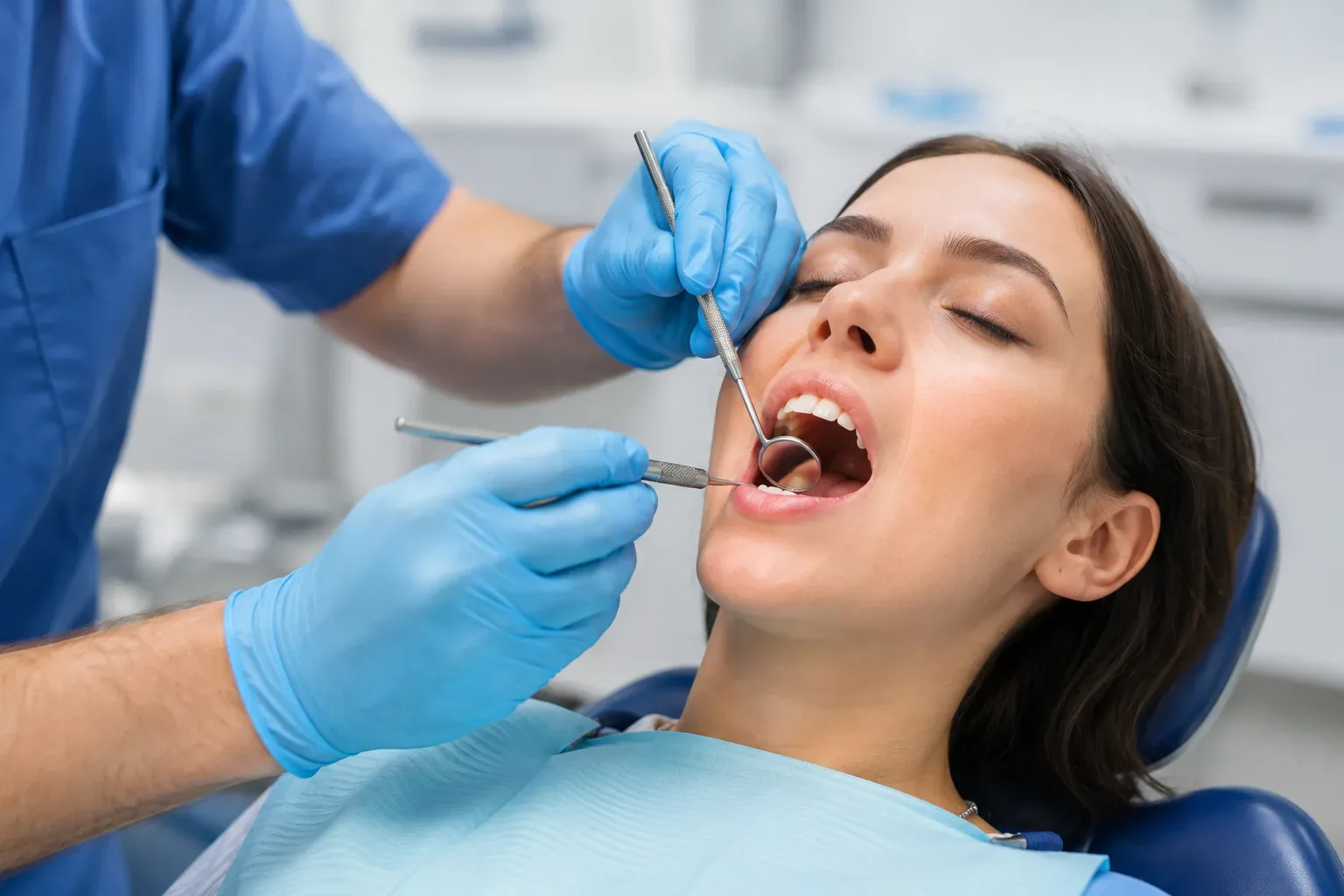
A dental treatment plan is developed by listening to the patient’s complaints, conducting an intraoral examination, and evaluating the necessary imaging findings together. Cavities, fractures, old fillings, gum health, missing teeth, bite alignment, and aesthetic expectations are examined in detail. The patient’s general health and medications are also taken into account during the planning process.
When determining the order of treatment, urgent issues such as severe pain, infection, abscesses, or broken teeth are addressed first. Next, cavities, gum diseases, the need for root canal treatment, the replacement of missing teeth, and aesthetic expectations are evaluated. In this way, a phased treatment program aimed at preserving oral health and chewing function is prepared.
The treatment options available to the patient, possible alternatives, the estimated timeline, the number of sessions, care requirements, and the follow-up plan must be clearly explained. Since every patient’s oral and dental structure is unique, there is no standard treatment program. Personalized planning helps ensure a treatment process that is tailored to the patient’s needs and conducted with greater awareness.
Why Choose Vita Dental Clinic for a Dentist in Bursa?
For patients seeking a dentist in Bursa, choosing the right clinic is crucial for maintaining oral and dental health and ensuring the treatment process proceeds safely. At Vita Dental Clinic, patients’ concerns are listened to in detail; examination findings, necessary imaging results, and treatment needs are evaluated together to create a personalized approach.
Dr. Ahmet Başkaya comprehensively evaluates the patient’s oral and dental structure, gum health, existing fillings, crowns, bite alignment, and aesthetic expectations. Fillings, root canal treatments, tooth extractions, implants, crowns, gum treatments, or cosmetic dentistry procedures are planned according to the patient’s needs and oral health status.
At Vita Dental Clinic, patients are provided with detailed information regarding treatment options, the treatment process, the number of sessions, care recommendations, and post-treatment follow-up. This transparent communication and personalized planning approach can help patients follow their treatment process more consciously and feel more at ease.