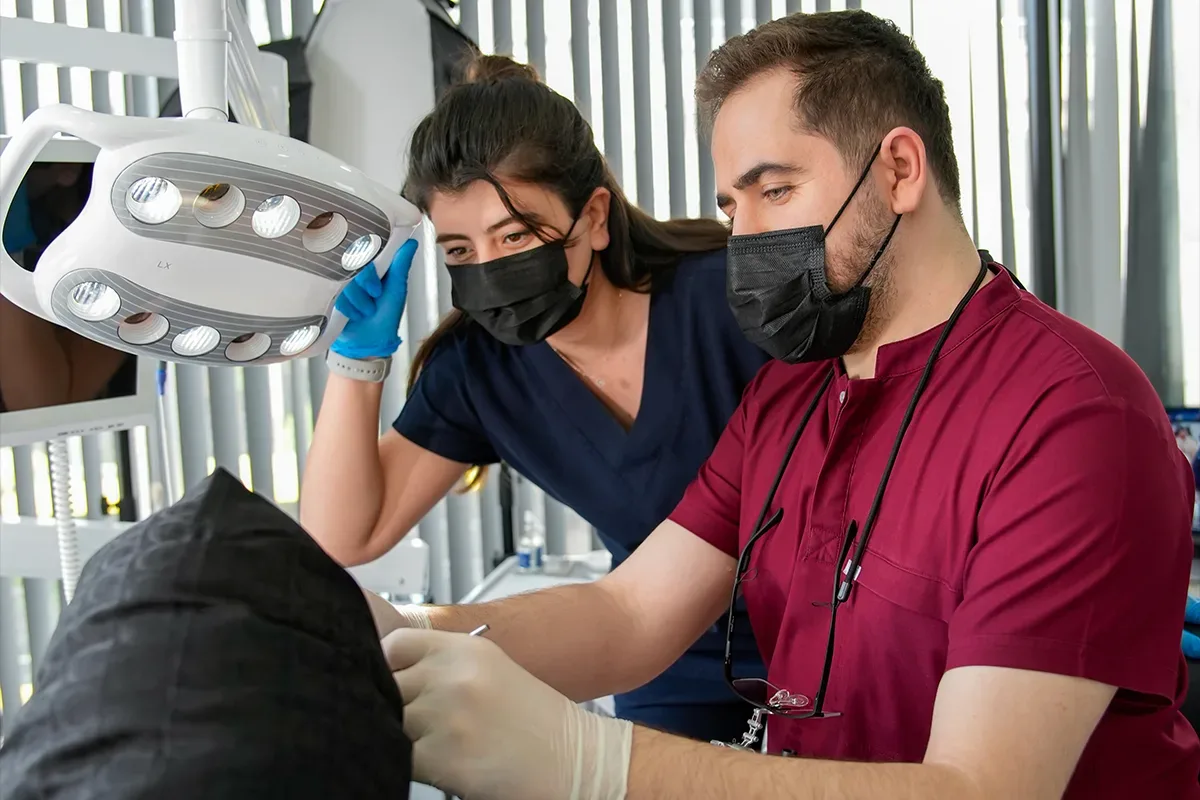

The question “Does a dental implant hurt?” is one of the most common concerns among patients considering treatment for missing teeth. Although implant treatment is a reliable and long-lasting solution for many people, questions such as “Will I feel pain?”, “Does implant treatment hurt?”, or “How long does the pain last after the implant?” can naturally cause anxiety in patients before the procedure. The most important thing to know here is that dental implant treatment is generally performed under local anesthesia, and patients are not expected to feel any pain during the procedure.
During the procedure, patients may feel pressure, vibration, or a slight sensation of movement rather than pain. After the procedure, mild pain, swelling, and sensitivity may last for a few days; this is a normal part of the healing process for most patients. In this article, we address the most frequently asked questions—such as “Is dental implant surgery painful?”, “What does it feel like during the procedure?”, “How long does post-implant pain last?”, and “Is getting a dental implant difficult?”—in a patient-centered and easy-to-understand manner.
Do Dental Implants Hurt?
The question “Does a dental implant hurt?” is one of the most natural concerns for patients considering implant treatment. However, since implant treatment is typically performed under local anesthesia, the patient is not expected to feel pain during the procedure. The area to be treated is numbed, and the dentist carefully places the implant screw into the jawbone.
During the procedure, the patient may feel pressure, vibration, or a slight sensation of movement rather than pain. These sensations are often mistaken for pain; however, thanks to the effects of local anesthesia, experiencing sharp pain is not to be expected. If the patient has a fear of pain before treatment, sharing this with the dentist will help the process proceed more comfortably.
The most important factors determining comfort in implant treatment are proper planning, appropriate anesthesia, evaluation of the jawbone structure, and a treatment approach tailored to the individual patient. For this reason, dental implant treatment should not be viewed as a standard procedure but rather as a controlled process planned according to each patient’s oral anatomy and needs.
Is There Any Pain During Implant Treatment?
To ensure that no pain is felt during implant treatment, local anesthesia is administered before the procedure. Local anesthesia temporarily numbs the tissues in the area where the implant will be placed. As a result, the patient generally does not feel pain while the implant screw is being placed into the jawbone, and the procedure can be completed more comfortably.
Some patients may feel pressure, pushing, vibration, or the sounds of the equipment during the procedure. This is a natural part of implant surgery and does not indicate pain. The dentist monitors the patient’s comfort throughout the procedure; if the numbness is insufficient, additional measures can be taken as needed.
Before implant treatment, the patient’s general health, medications, bone structure, and the treatment area are evaluated. Thanks to this planning, the procedure is carried out in a safer and more controlled manner. For patients concerned about whether dental implants are painful, the best approach is to get clear information about the process before treatment and discuss all their questions with their dentist.
Is Post-Implant Pain Normal?
Post-implant pain is mild and manageable in many patients. This is a natural response of the tissues to the healing process following implant treatment. Especially in the first few days, patients may experience swelling, sensitivity, mild pain, and discomfort while chewing.
The pain felt after the procedure can generally be managed with the pain relievers and care instructions recommended by the dentist. The patient’s adherence to a regular medication schedule, avoiding straining the surgical site, refraining from hot foods and beverages, and maintaining good oral hygiene will enhance comfort during recovery. Mild swelling and tenderness are often expected during this process.
However, if symptoms such as progressively worsening pain, severe throbbing, foul odor, significant swelling, fever, or prolonged bleeding occur, the patient should consult their dentist. The progression of post-implant pain may vary depending on the scope of treatment, the number of implants, bone structure, and the patient’s overall health.
How Long Does Pain Last After a Dental Implant?
The duration of pain after a dental implant can vary depending on the patient’s overall health, bone structure, the number of implants placed, and the scope of treatment. In simple implant procedures, mild pain and sensitivity typically subside within the first few days. During this period, mild swelling, discomfort while chewing, and sensitivity in the surgical area are considered normal.
For patients who undergo bone grafting, sinus lifts, or more extensive surgical procedures, the healing process may take a little longer. In such cases, tissue healing may take longer, and sensitivity may be more pronounced for a few additional days. Regular use of the medications prescribed by your dentist, avoiding strain on the area, and following care instructions will enhance your comfort during recovery.
It is expected that pain after implant placement will decrease as the days pass. However, if the pain is gradually increasing or is accompanied by symptoms such as severe throbbing, a foul odor, significant swelling, fever, or prolonged bleeding, you should consult your dentist. These symptoms may indicate that the healing process needs to be reevaluated.
Is Getting a Dental Implant Difficult?
Getting a dental implant does not have to be as difficult a process as many patients think. A well-planned implant treatment, with proper anesthesia and a personalized approach, generally proceeds comfortably. The treatment process consists of an initial examination, imaging, jawbone assessment, placement of the implant screw, and the healing period.
The level of difficulty varies from patient to patient. Factors such as whether there is sufficient jawbone, the number of implants, the location of the missing tooth, and whether additional procedures like bone grafting or a sinus lift are required can all influence the process. For this reason, a detailed evaluation before implant treatment is crucial for both the comfort of the procedure and long-term success.
The answer to the question “Is getting dental implants difficult?” is largely related to proper planning and ensuring the patient is sufficiently informed about the process. When the patient knows what stages they will go through, anxiety decreases and the treatment process can be managed more comfortably. For this reason, it is important to maintain open communication with the dentist before the procedure.
How Can Fear of Implant Treatment Be Reduced?
Fear of implant treatment is common, especially among patients who have not previously undergone surgery or who feel anxious about dental procedures. The most important step in reducing this fear is explaining the treatment process to the patient in a clear, simple, and understandable way. When patients know what they will feel during the procedure, how anesthesia will be administered, and what to watch for during the recovery process, they feel more secure.
Establishing open communication with the dentist plays a key role in reducing fear of implant treatment. The patient should share their fear of pain, past negative experiences, health status, and expectations with the dentist. With this information, the treatment process can be customized to the individual, and measures can be taken to enhance the patient’s comfort.
When necessary, anesthesia options, procedure duration, the need for breaks, and post-procedure care details are discussed with the patient. For patients who are afraid of implant treatment, proper information, a reassuring clinical approach, and a personalized treatment plan help the process proceed more comfortably.
Why Is Proper Planning Important for Pain-Free Implant Treatment?
Accurate diagnosis and treatment planning are crucial for achieving the goal of pain-free implant treatment. The jawbone structure of the area where the implant will be placed, gum health, the relationship with adjacent teeth, and overall oral health must be evaluated in detail prior to the procedure. This evaluation helps ensure that the implant treatment proceeds in a safer, more controlled, and more comfortable manner.
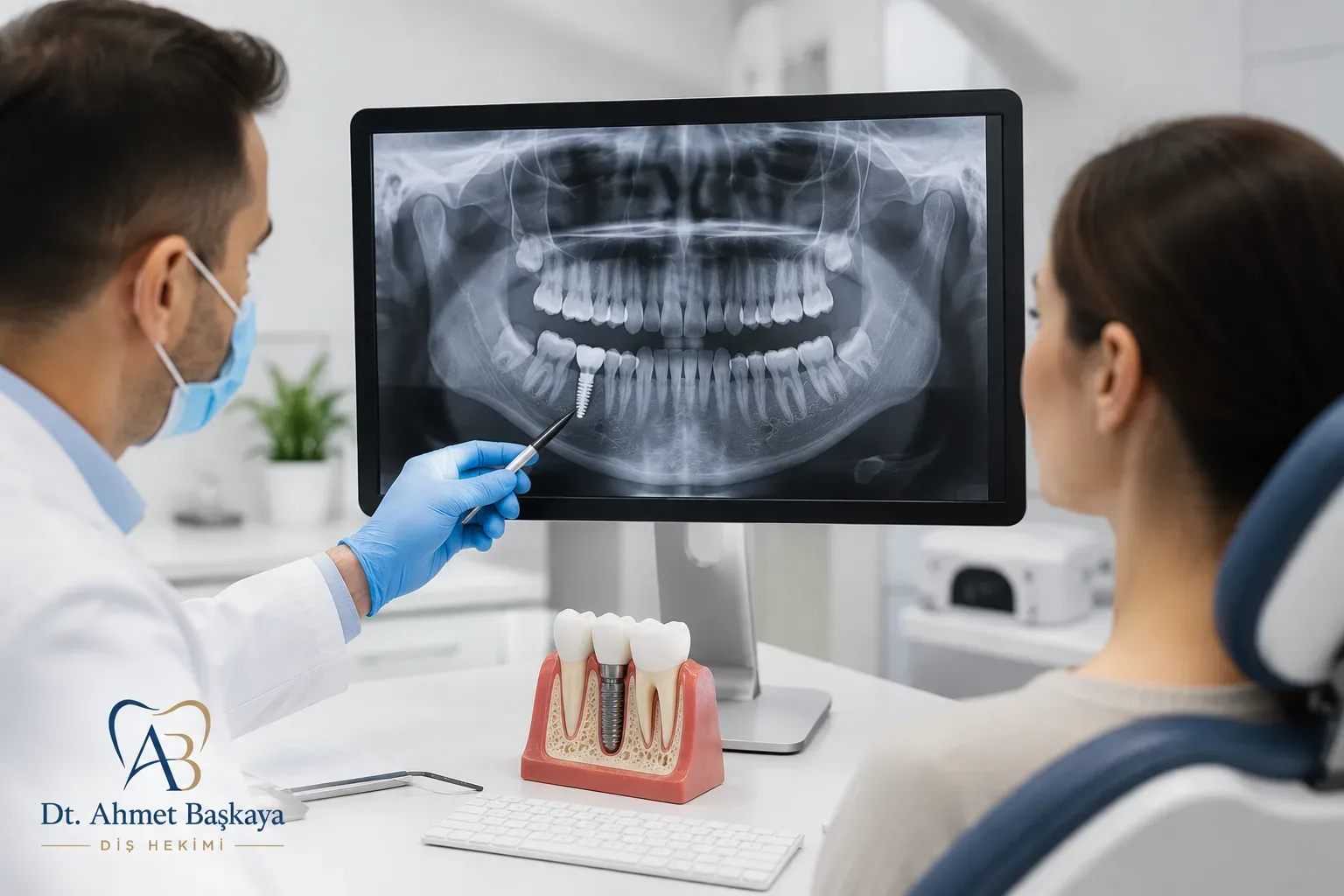
The implant site can be examined in detail through a dental examination, panoramic X-rays, or, when necessary, 3D imaging methods. This allows for a more accurate determination of bone density, bone height, proximity to nerve tissues, and the most suitable location for implant placement. This planning is particularly important for patients who require bone grafting or a sinus lift.
Proper planning affects not only comfort during the procedure but also the long-term success of the implant. A personalized treatment plan should be developed by evaluating the patient’s overall health, medications, oral hygiene habits, and healing capacity. For this reason, implant treatment is not merely the placement of an implant screw; it is a comprehensive process carefully planned from the initial examination through to recovery.
What Is the Post-Implant Healing Process Like?
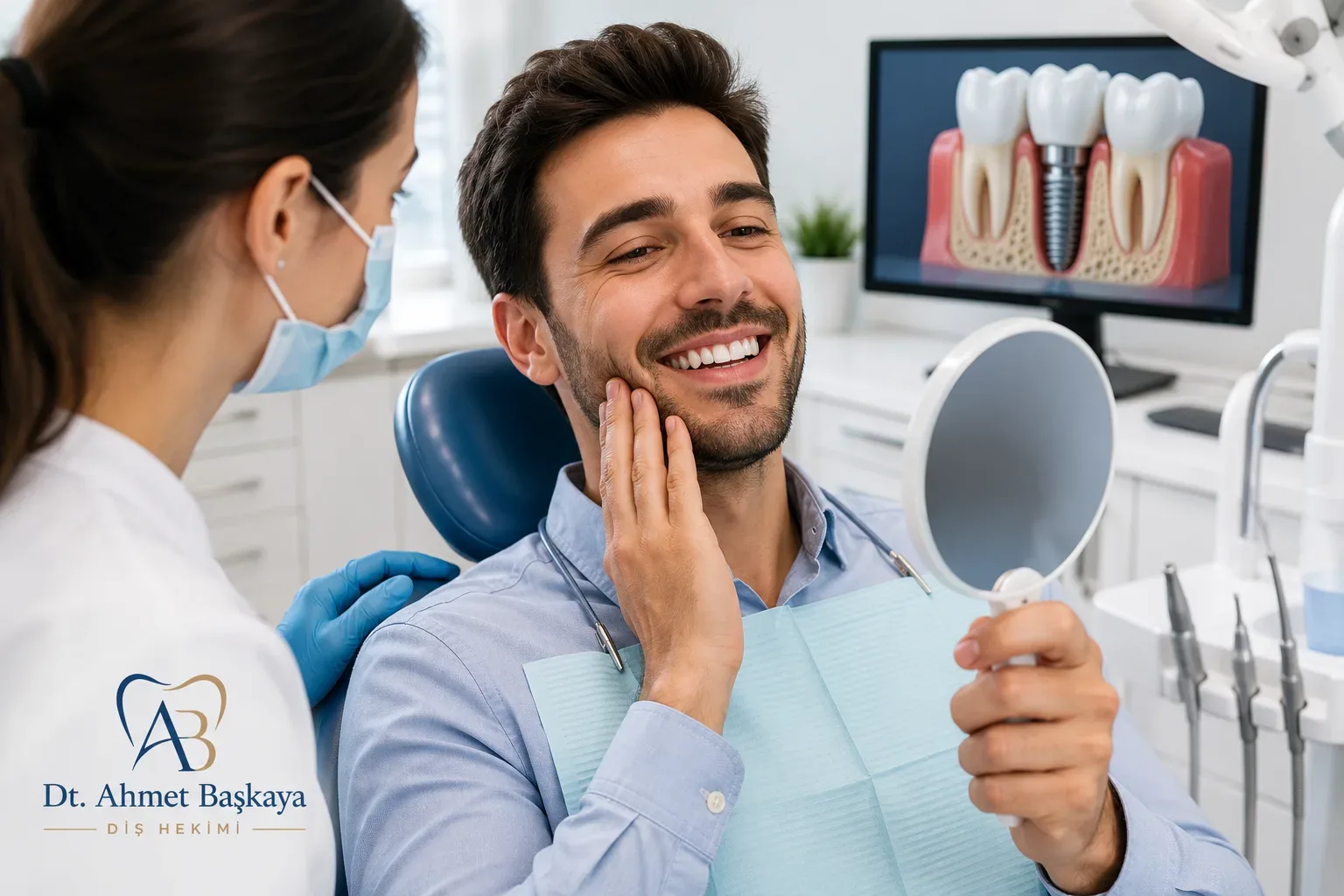
The post-implant healing process can vary from person to person depending on the scope of treatment and the patient’s oral anatomy. In the first few days, it is normal to experience mild pain, swelling, tenderness, and discomfort while chewing in the implant area. These symptoms are generally a natural response to the healing process and can be managed with medications prescribed by the dentist.
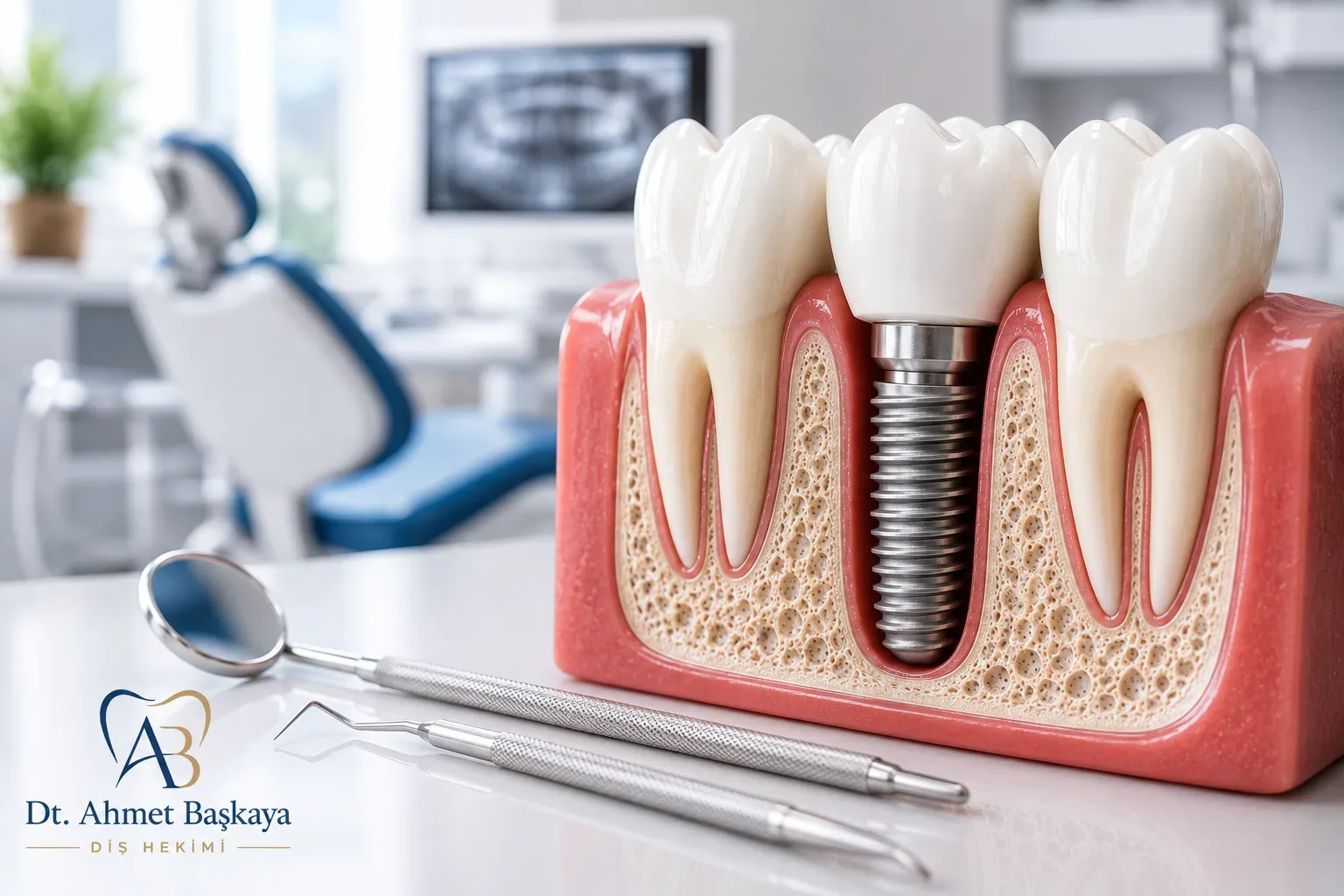
Once the initial soft tissue healing begins, the process of osseointegration—the fusion of the implant with the jawbone—continues. During this process, the bone tissue surrounding the implant screw gradually fuses with the implant surface over time. To ensure the long-term success of implant treatment, it is important to protect the surgical site during this healing period, maintain good oral hygiene, and attend all follow-up appointments as scheduled by the dentist.
The healing period may vary depending on the patient’s bone structure, overall health, oral hygiene, smoking habits, the number of implants, and whether additional procedures such as bone grafting or sinus lifting were performed. For this reason, the post-implant healing process is not standardized; it is a period that requires individualized monitoring.
What Should You Keep in Mind to Reduce Post-Implant Pain?
To reduce post-implant pain and support the healing process, medications prescribed by the dentist should be taken regularly. If the dentist has recommended pain relievers, antibiotics, or oral care products, these should be used according to the specified dosage and duration. Instead of using medications without supervision, you must strictly follow your dentist’s recommendations.
On the first day, it is important to avoid hot foods and beverages, refrain from putting pressure on the surgical site, and avoid eating hard foods. When choosing foods after the implant procedure, opt for soft, lukewarm, and easy-to-chew options. Seeds, nuts, hard bread crusts, very hot soup, or spicy foods may irritate the area in the first few days.
Smoking can negatively affect the healing process and increase the risk of infection in the implant site. Therefore, it is important to avoid smoking, especially during the first few days. In addition, oral hygiene should be maintained, but the surgical site should not be brushed vigorously. Practicing gentle oral care as recommended by your dentist helps ensure that post-implant sensitivity progresses in a more controlled manner.
Vita Oral and Dental Health Clinic for Implant Treatment in Bursa
When planning implant treatment in Bursa, the assessment should go beyond simply placing an implant to replace a missing tooth; it should also evaluate the jawbone, gum health, bite alignment, and long-term oral health. At the Vita Oral and Dental Health Clinic, a detailed examination, imaging, and jawbone assessment are conducted prior to implant treatment to create a personalized treatment plan for each patient.
Dr. Ahmet Başkaya has focused his professional work on implant treatments, implant-supported prosthetic restorations, full-arch implant restorations, and aesthetic-functional prosthetic treatments. Thanks to this approach, implant treatment is not viewed merely as the placement of an implant screw, but rather as a holistic restoration of the missing tooth in terms of function, aesthetics, and long-term oral health.
At Vita Oral and Dental Health Clinic, the goal is to make the process understandable, reassuring, and comfortable for patients who are anxious about implant treatment. Patients concerned about whether dental implants are painful can receive clear information about the treatment process, the healing period, and post-implant care following a detailed examination and personalized treatment plan.