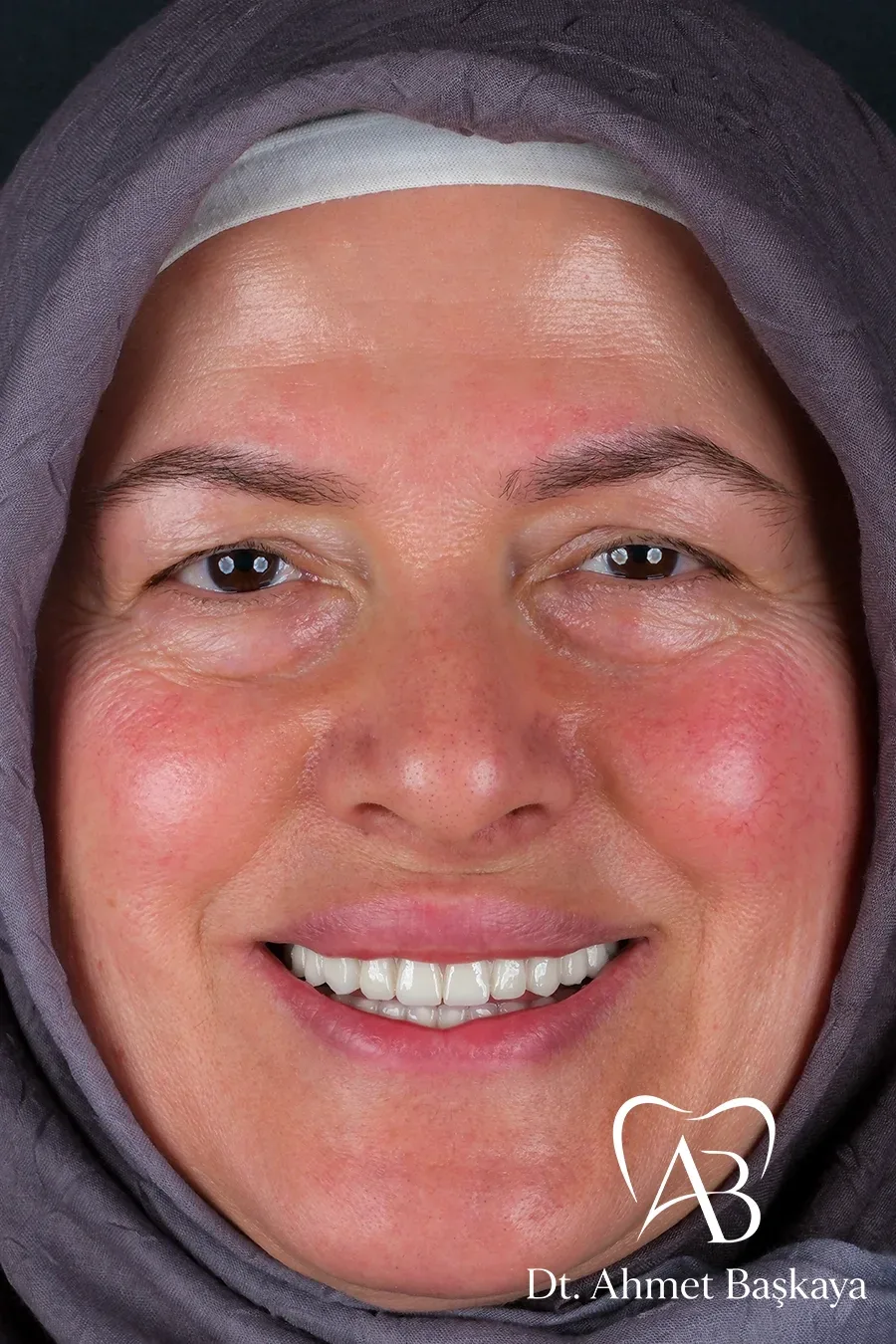

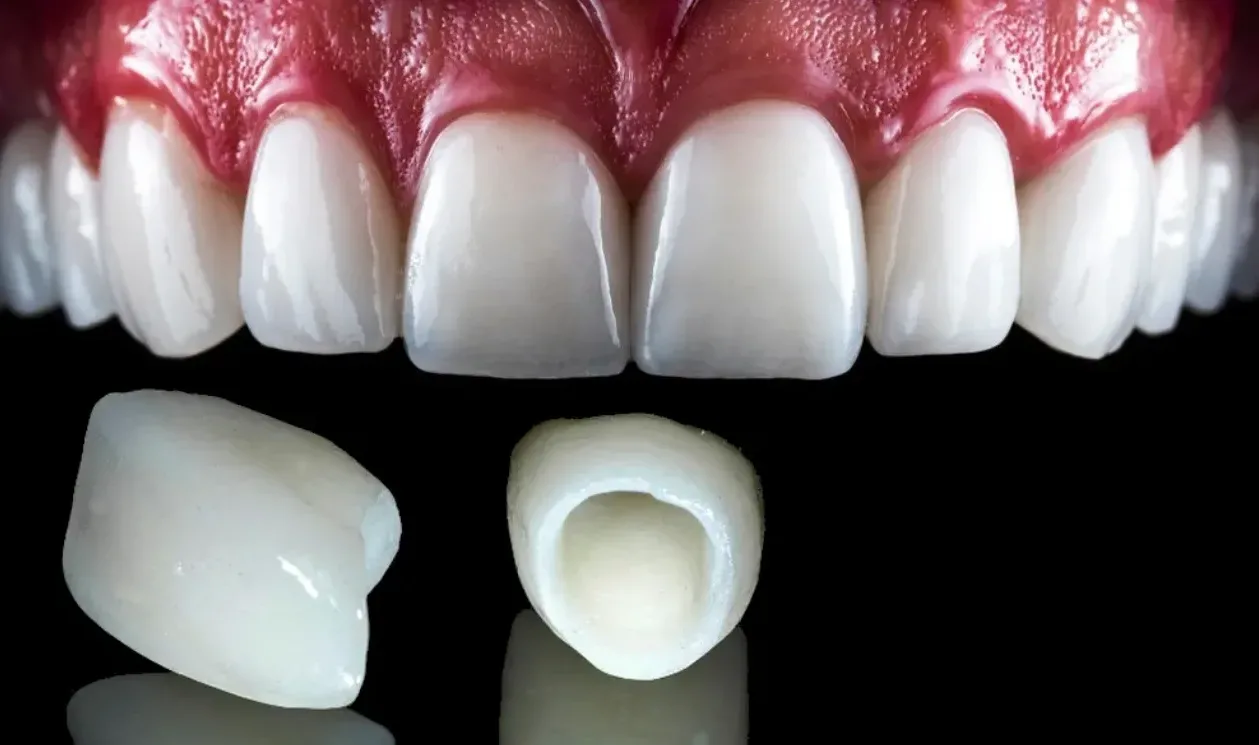
Zirconia teeth are one of the most commonly preferred dental crown options today, thanks to their aesthetic results that are close to the appearance of natural teeth and their durable structure. So, how are zirconia teeth made, and what stages does the patient go through during treatment? Among the topics most often wondered about by people considering zirconia crowns are how the treatment progresses, how much the teeth are reduced, whether the procedure is painful, and how long the crowns can be used.
Zirconia crowns can be applied especially to damaged, broken, worn, or severely restored teeth. They may also be preferred to improve the aesthetic appearance of teeth. However, the dentist must decide which restoration is suitable for which patient after the examination.
What Are Zirconia Teeth?
Zirconia teeth are a ceramic dental restoration based on zirconium dioxide. Thanks to their metal-free structure, they may help achieve a result close to the appearance of natural teeth. Zirconia stands out for its high durability compared with some other types of ceramics.
Zirconia crowns may be used;
in the restoration of broken or severely worn teeth,
in teeth weakened by large fillings,
in protecting some teeth that have undergone root canal treatment,
in improving the shape and appearance of teeth
However, a crown is not always necessary for every aesthetic concern. Depending on the condition of the tooth tissue, your dentist may recommend a filling, bonding, veneer, or a different restoration.
How Are Zirconia Teeth Made?
The answer to how are zirconia teeth made may vary depending on the patient's oral and dental health, but the treatment generally consists of several basic stages.
1. Examination and Treatment Planning
At the first stage, the dentist evaluates the teeth, gums, and bite relationship. If necessary, X-rays or other imaging methods may be used.
If there is decay, a gum problem, or an existing infection, these issues may need to be treated first. Because a healthy oral environment is important for the success of the restoration to be placed.
2. Preparing the Teeth
The tooth on which a zirconia crown will be placed is prepared in a controlled manner so that the crown can be seated. At this stage, a portion of the natural tooth enamel is removed to create enough space for the crown. The amount of reduction depends on the condition of the tooth and the planned restoration.
When necessary, missing or weak areas of the tooth can be supported with filling material to create a stronger foundation.
3. Taking an Impression or Digital Scan
After the teeth are prepared, an impression can be taken from the mouth or digital intraoral scanners can be used. The data obtained is used to design the zirconia restoration suitable for the patient's tooth structure.
Thanks to digital technologies, a three-dimensional image of the teeth can be created and the shape and fit of the restoration can be planned.
4. Preparing the Zirconia Tooth
The zirconia restoration is prepared in the laboratory or with suitable CAD/CAM systems according to the measurements obtained. The tooth color, shape, size, and harmony with the adjacent teeth are taken into account.
Especially for front teeth, color and shape selection are important to achieve a natural appearance.
5. Trial Fit and Permanent Cementation
The prepared zirconia tooth is checked in the mouth. The dentist evaluates the crown's color, shape, margin fit, and bite. If deemed appropriate, the restoration is fixed to the tooth with special dental cement.
Is There Pain When Zirconia Teeth Are Made?
During zirconia tooth treatment, local anesthesia may be used while the teeth are being prepared. Therefore, pain is not expected during the procedure. After the procedure, some people may experience temporary sensitivity or mild discomfort around the gums. These complaints usually decrease in a short time.
If there is severe, persistent, or gradually increasing pain, a dentist should be consulted.
How Long Does It Take to Make Zirconia Teeth?
The treatment time may vary depending on the number of teeth to be treated, oral and dental health, the laboratory process, and the technology used. In some clinics, restorations can be prepared on the same day thanks to CAD/CAM technologies, while traditional laboratory processes may require more than one appointment.
For this reason, it is not correct to give the same timeframe for every patient to the question “how many days does it take to make zirconia teeth?”
What Should Be Considered After Zirconia Teeth?
For zirconia crowns to be used healthily for a long time, regular oral care is important.
Teeth should be brushed at least twice a day.
Floss or the interdental cleaning products recommended by the dentist should be used.
Very hard and sticky foods should be avoided.
Regular dental check-ups should not be neglected.
If there is a teeth clenching or grinding problem, the dentist should be consulted.
Zirconia, like other dental restorations, is not completely unbreakable. Regular care and check-ups may positively affect the restoration's service life.
YOU MAY ALSO BE INTERESTED IN: Zirconia Dental Crown Bursa
Frequently Asked Questions
Can zirconia teeth be done for everyone?
No. Whether zirconia crowns are suitable is determined by evaluating the teeth, gums, jaw structure, and current oral health.
Do zirconia teeth look natural?
When the correct color, shape, and fit are planned, zirconia restorations can provide results close to the appearance of natural teeth. Especially in aesthetic areas, a personalized design is important.
Can zirconia teeth be used for life?
It is not correct to guarantee lifetime use for any dental restoration. The lifespan of crowns may vary depending on oral care, teeth grinding, eating habits, oral health, and the condition of the restoration. Cleveland Clinic generally refers to an average usage period of 5-15 years for dental crowns.
Is sensitivity experienced after zirconia teeth are placed?
Temporary sensitivity, especially to hot and cold, may be seen. If the sensitivity lasts a long time or worsens, a dentist should be consulted.
Which is better, zirconia or porcelain?
It is not possible to say that one material is better for everyone. The appropriate restoration should be selected by evaluating factors such as the position of the tooth, the existing tooth tissue, aesthetic expectations, bite, and oral health.