
Missing teeth can directly affect not only aesthetic appearance but also chewing function, speech, and overall oral health. Dental implant treatment, widely recognized today as one of the most successful and long-lasting solutions to this problem, stands out for providing a feel and function closest to that of a natural tooth. However, when planning treatment, one of the top concerns for patients is the cost of dental implants in Bursa and the criteria used to determine these prices.
In fact, it is not possible to speak of a single, uniform pricing structure that applies to everyone in implant treatment. Many factors—such as the number of missing teeth, the condition of the jawbone, the implant system to be used, the type of prosthesis, and any additional procedures that may be required—can affect the cost of treatment. Therefore, the most reliable way to obtain accurate pricing information is to have a personalized treatment plan created following a comprehensive dental examination.
In this guide, we’ll cover all the details you might be curious about regarding implant prices in Bursa. From how implant treatment is performed to the factors affecting prices, and from the differences between single-tooth implants and full-arch implant treatment to the recovery process, you’ll find the essential information you need to make an informed decision, presented in a simple and easy-to-understand manner.
What Is Implant Treatment in Bursa?
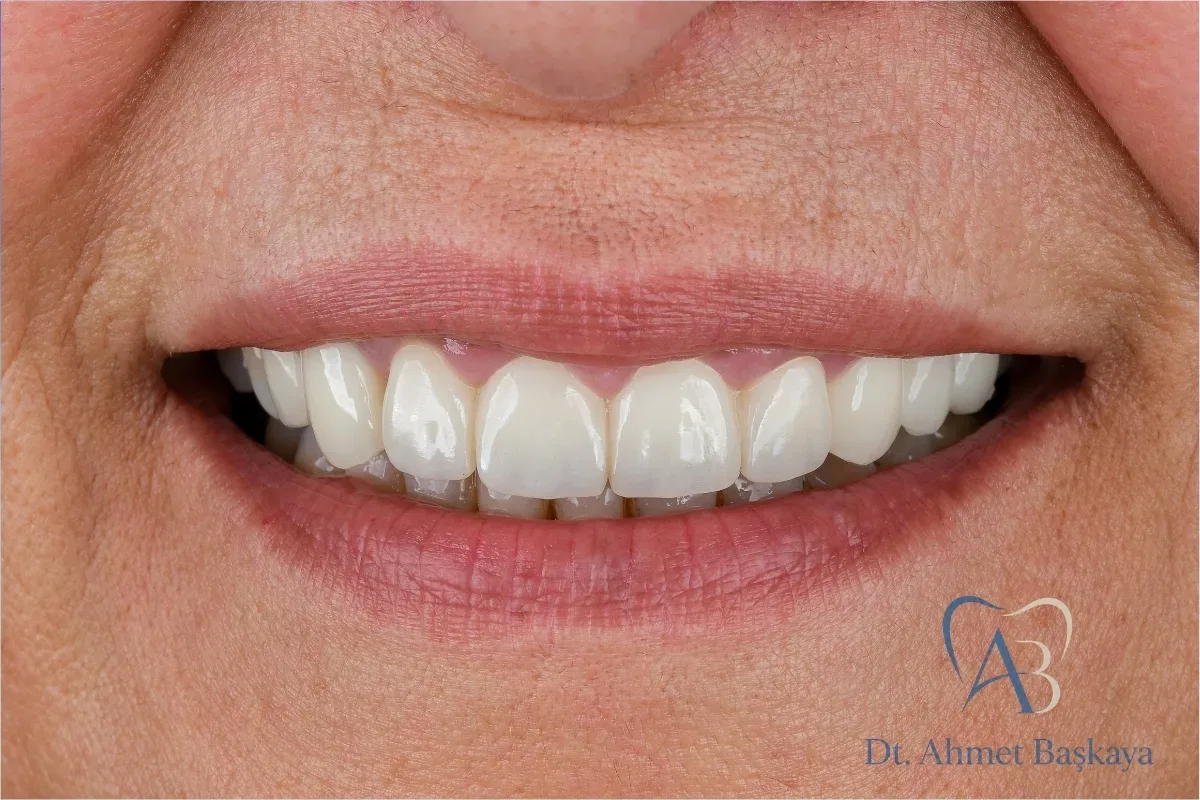
Missing teeth can negatively affect not only your appearance over time but also your ability to chew, speak, and the health of your jawbone. Implant treatment, used in such cases, involves placing a biocompatible titanium screw into the jawbone to replace the missing tooth root and attaching a custom-made prosthetic tooth to it. Considered the solution closest to a natural tooth, this method can deliver successful results both functionally and aesthetically.
Dental implant systems used in modern dentistry fuse biologically with the jawbone over time, creating a strong foundation. As a result, implant treatment can be applied in many different situations, ranging from single tooth loss to multiple tooth loss, and even cases of complete edentulism. A personalized treatment plan is developed after evaluating the patient’s oral structure, overall health, and bone level.
Today, implant treatment does more than simply replace lost teeth; it also helps protect adjacent teeth, can slow down potential bone resorption in the jaw, and can improve quality of life. For this reason, implant treatment is considered a reliable option for many patients seeking a long-lasting, comfortable, and natural solution.
What Factors Determine Implant Prices in Bursa?
One of the most frequently asked questions by patients is why there are such varying prices for dental implants in Bursa. The main reason for this is that implant treatment is not a standardized procedure and is customized for each patient based on their oral anatomy. Many factors, such as the number of missing teeth, the condition of the jawbone, and the treatment method to be used, can directly affect pricing.
One of the key factors determining the price is the implant system to be used. The implant brand, manufacturing technology, and long-term clinical success are all taken into account during treatment planning. In addition, there are significant differences—both in terms of the procedure and cost—between single-tooth implants, multiple-tooth implants, and full-arch restorations such as the All-on-4 implant. In some patients, the need for additional surgical procedures—such as bone grafting or sinus lifting—prior to implant placement can also affect the treatment plan.
For this reason, when planning implant treatment in Bursa, rather than focusing solely on price, the dentist’s experience, the materials used, digital planning technologies, and the long-term success of the treatment should all be evaluated together. A personalized treatment plan prepared following a comprehensive clinical examination ensures both accurate cost information and the planning of a successful treatment process that can be used safely for many years.
Differences Between Single-Tooth, Multiple-Tooth, and Full-Arch Implant Treatments
Implant treatment can be planned using different methods depending on the number of missing teeth and the patient’s oral anatomy. For this reason, the same treatment approach is not applied to every patient. Various clinical conditions—ranging from a single missing tooth to complete edentulism—directly affect the number of implants to be used, the prosthesis design, and the treatment process. A detailed oral examination and radiological evaluation are essential for determining the appropriate method.
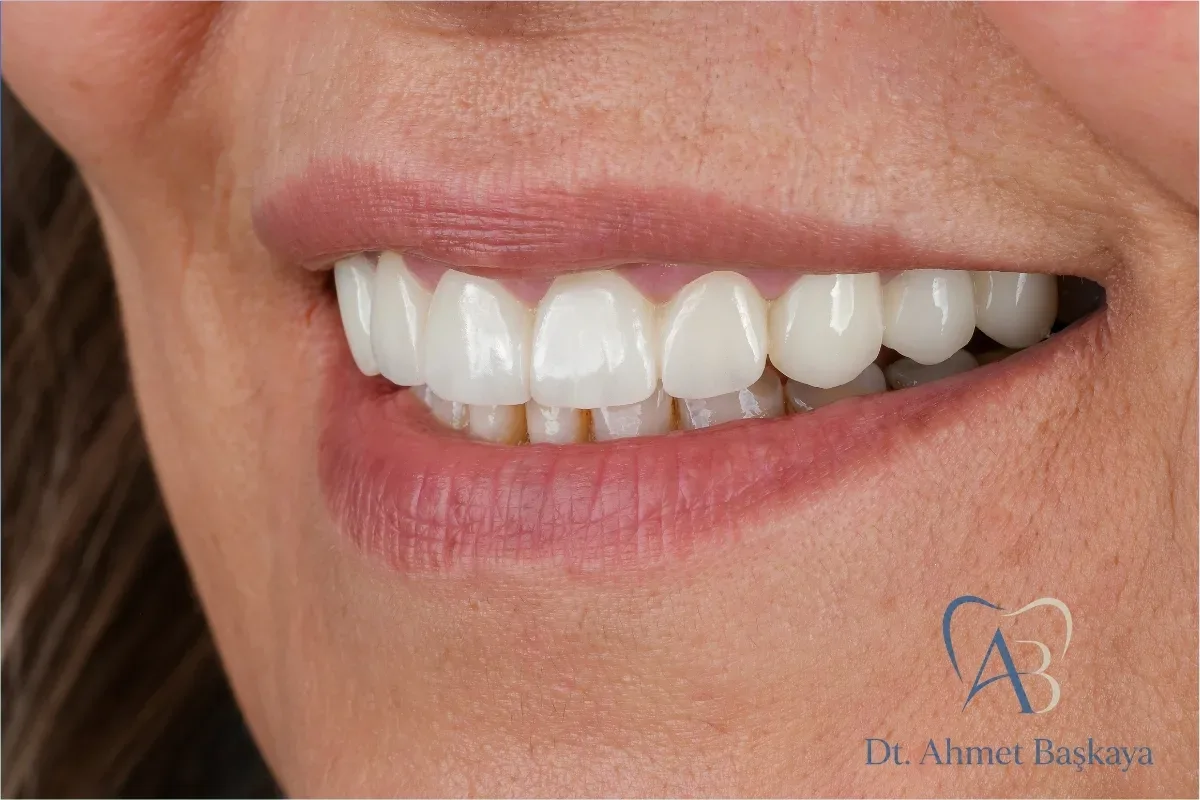
A single-tooth implant is preferred for patients with only one missing tooth, allowing the missing tooth to be replaced without the need for any intervention on adjacent teeth. For patients with multiple missing teeth, however, it may not be necessary to place a separate implant for each tooth. In suitable cases, planning bridge prostheses supported by a specific number of implants can yield successful results both functionally and aesthetically. This approach can also contribute to creating a more efficient treatment plan.
For patients who have lost all their teeth, full-arch implant treatment is considered. Thanks to modern treatment methods such as the All-on-4 implant, fixed prostheses can be placed on a specific number of implants. The most appropriate treatment option is determined by evaluating the patient’s bone structure, overall health, and expectations. For this reason, adopting a completely personalized approach rather than a one-size-fits-all method in implant planning is one of the key factors that increase the success of the treatment.
How Does the Implant Treatment Process Proceed?
Implant treatment is a process that begins with detailed planning and consists of specific stages. During the initial appointment, the patient’s oral and dental health is assessed, and the condition of the jawbone is examined using imaging methods such as panoramic X-rays or 3D dental tomography. Based on this evaluation, it is determined whether there is sufficient bone support for the implant, and a personalized treatment plan is prepared for the patient.
During the surgical stage, the implant is carefully placed into the jawbone under local anesthesia. Following the procedure, the healing process known as osseointegration begins, during which the implant fuses with the jawbone. This process can take several months, depending on the patient’s bone structure and the treatment administered. If bone volume is insufficient, additional procedures such as bone grafting or a sinus lift may be planned before or during the same session as the implant placement.
Once a strong biological bond has formed between the implant and the jawbone, impressions are taken, and a custom-made permanent prosthesis is placed. After the treatment is completed, attending regular follow-up appointments and maintaining good oral hygiene contribute to the implant’s long-term health and functionality. Implant treatments that are properly planned and performed by a specialist dentist can provide high patient satisfaction in terms of both aesthetics and function.
How Do Bone Grafts and Sinus Lift Procedures Affect Implant Treatment?
Not every patient’s jawbone may be equally suitable for implant treatment. Individuals who have been missing teeth for a long time may experience bone loss in the jaw, which can make it difficult to place the implant safely. In such cases, supportive surgical procedures such as bone grafting or sinus lifts may be performed to increase the success of implant treatment. These procedures aim to create a stronger bone foundation for the implant in suitable patients.
A bone graft is a treatment used to increase bone volume in areas where the jawbone is insufficient. Over time, the graft material integrates with the patient’s own bone, helping the implant anchor more securely. In the posterior regions of the upper jaw, a sinus lift procedure may be preferred if the sinus cavity reduces the available bone height. This procedure helps create sufficient bone height for implant placement, thereby ensuring a safe treatment plan.
A bone graft or sinus lift is not necessary for every implant patient. This decision is made based on a detailed clinical examination and three-dimensional imaging. Thanks to advanced surgical techniques available today, these procedures can be performed in a controlled manner, enabling many patients to successfully benefit from implant treatment. Tailoring the treatment plan to each individual plays a crucial role in long-term implant success.
Post-Implant Healing Process and Precautions
The recovery process following implant treatment may vary depending on the scope of the procedure and the patient’s overall health. Mild pain, swelling, or tenderness in the first few days is considered normal, and these symptoms can usually be managed with medications prescribed by the dentist. Adhering to the care instructions provided during this period helps ensure a more comfortable recovery process.
It is recommended to avoid hot foods and beverages during the first few days and to opt for softer foods instead of hard ones. Smoking and poor oral hygiene can negatively affect the healing process and should be avoided as much as possible. Regular tooth brushing and the use of oral care products recommended by the dentist help keep the tissues surrounding the implant healthy. It is also very important not to miss the scheduled follow-up appointments during this process.
Once the implant has fully fused with the jawbone, patients can comfortably resume their daily lives. However, to ensure the implant remains healthy for many years, regular dental checkups should not be neglected, and proper oral hygiene must be maintained. When proper care habits are established, implants can offer a long-lasting and reliable treatment option, both aesthetically and functionally.
What Should You Consider When Choosing a Clinic for Implant Treatment in Bursa?
The success of implant treatment is closely related not only to the implant system used but also to the dentist’s experience in planning the treatment and the facilities offered by the clinic. Therefore, when deciding on implant treatment, it is important to consider not only the cost but also the conditions under which the treatment will be performed. Choosing the right clinic contributes to both the safe progression of the treatment process and an increase in the long-term success rate.
When selecting a clinic, one should first examine the dentist’s experience in implantology, their case experience, and the treatment methods they employ. Additionally, the use of digital planning technologies, 3D imaging systems, and modern surgical equipment helps ensure the correct placement of the implant. Sterilization standards, the reliability of the implant brands used, and personalized treatment planning are also among the other important factors to consider.
A well-planned implant treatment aims not only to replace a missing tooth but also to ensure healthy, long-term use. Therefore, it is important to conduct a detailed examination before treatment, accurately understand the patient’s expectations, and clearly discuss all options. A comprehensive evaluation performed at a reputable clinic helps the patient make an informed decision and begin the treatment process with confidence.