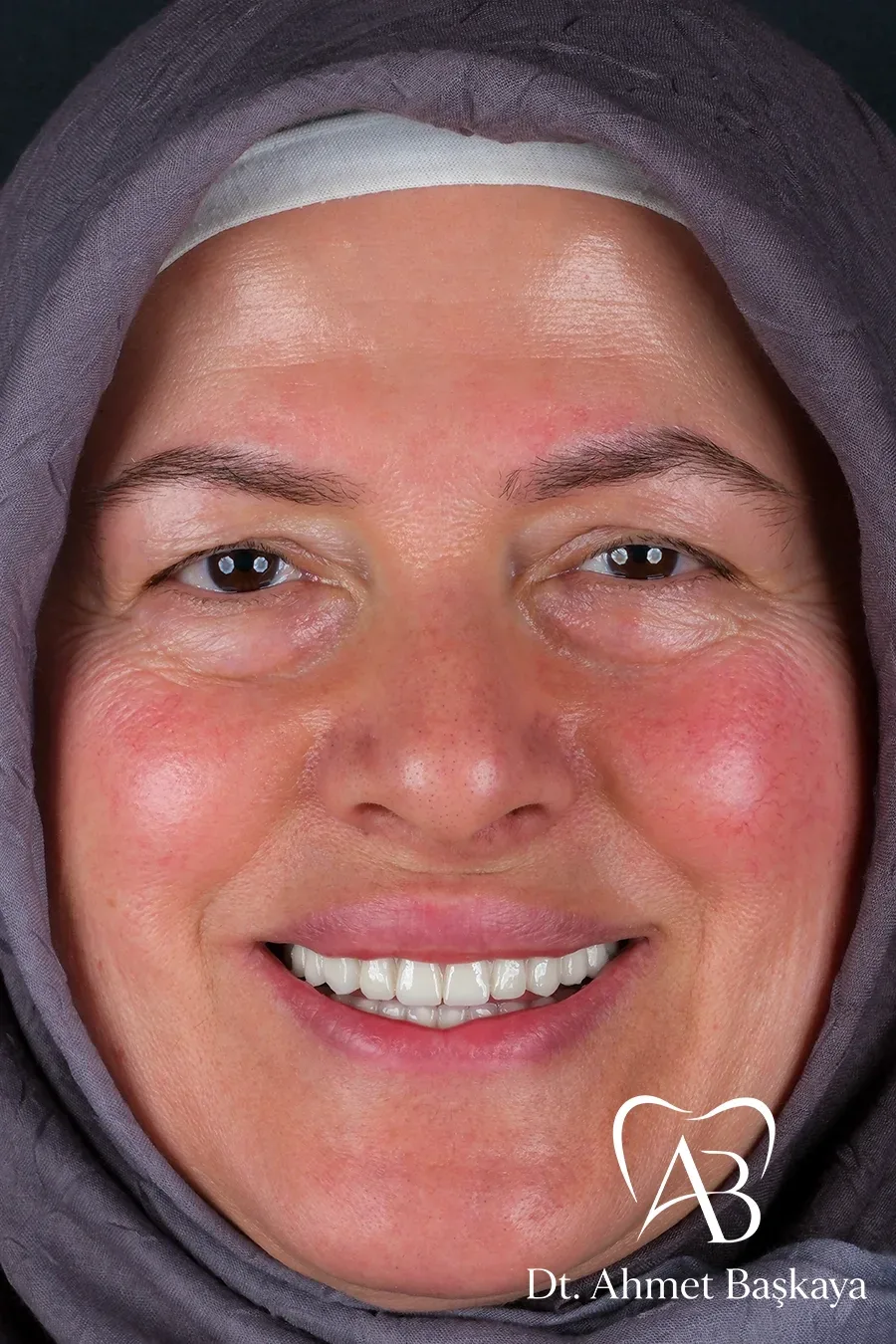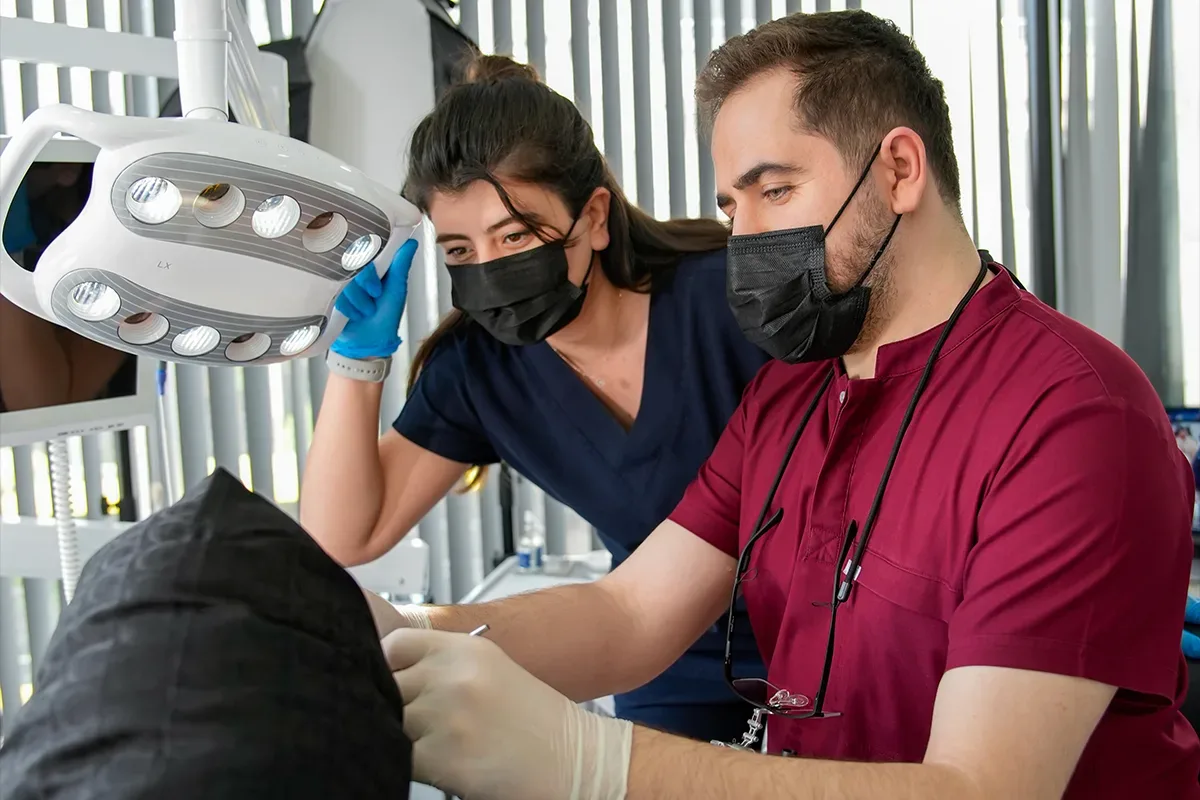

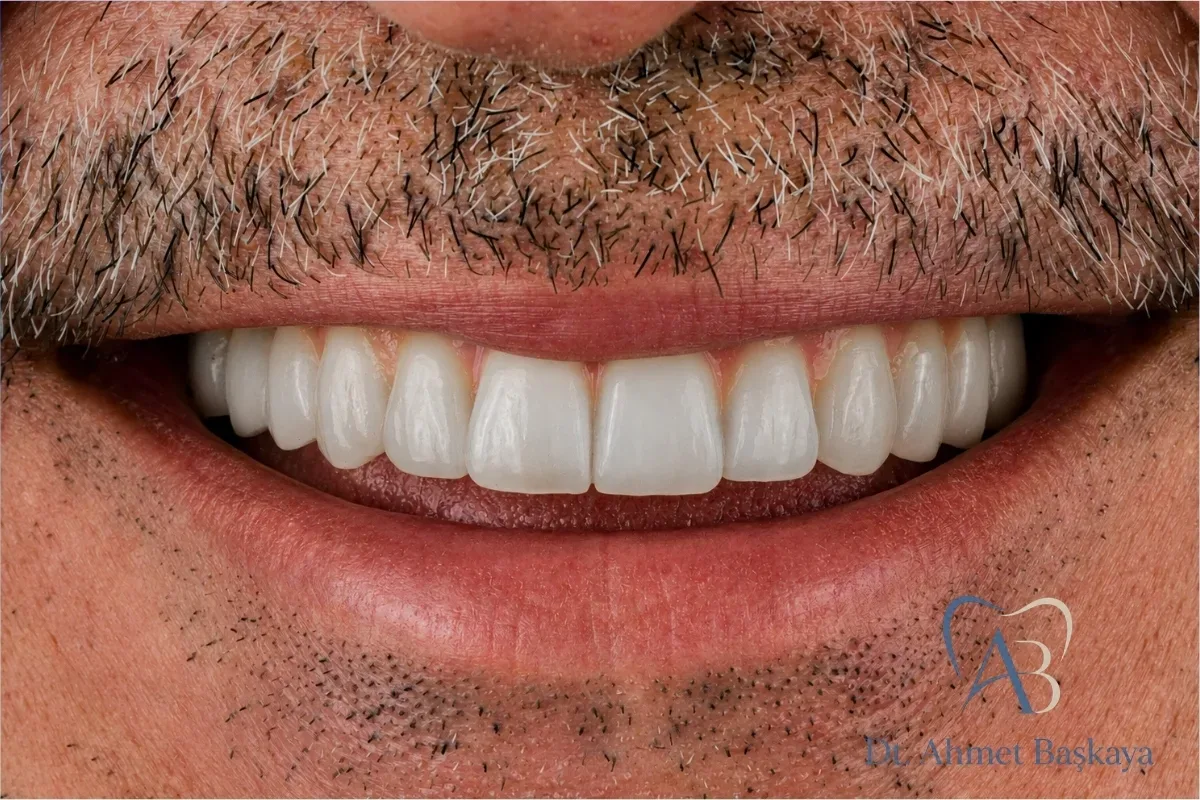
First impressions play a significant role in how people express themselves, and a smile is one of the most striking elements of that impression. Over time, discoloration, chips, wear, misalignment, or gum irregularities can cause many people to feel less confident when they smile. In such cases, smile design offers a comprehensive treatment plan that not only improves aesthetic appearance but also supports dental function and oral health.
In modern cosmetic dentistry, smile design treatments in Bursa are planned entirely on a personalized basis, taking into account each patient’s facial shape, lip structure, gum line, tooth shape, and personal expectations. When deemed necessary, various treatments—such as zirconia crowns, e.max restorations, porcelain veneers, teeth whitening, or implant therapy—are combined to achieve a smile that is both natural and aesthetically pleasing. For this reason, smile design is considered a holistic aesthetic approach tailored to the individual’s needs rather than a single procedure.
In this guide, you’ll find all the details you’re curious about regarding smile design in Bursa. From how smile design is planned and who it’s suitable for, to the application process and the factors influencing smile design prices in Bursa, we’ll cover the essential information you’ll need during the decision-making process in a simple, understandable, and up-to-date manner.
What Is Smile Design?
Smile design is a comprehensive cosmetic dentistry procedure planned by taking into account a person’s facial features, lip structure, gum appearance, tooth shape, and aesthetic expectations. The goal is not merely to achieve whiter or straighter-looking teeth, but also to create a smile that is harmonious with the face, natural, and healthy. For this reason, the same treatment is not applied to every patient; the planning is entirely customized for each individual.
In modern cosmetic dentistry, smile design does not consist of a single procedure. Depending on the patient’s needs, various treatments—such as zirconia crowns, e.max restorations, porcelain veneers, teeth whitening, orthodontic treatments, or dental implants—can be planned together. During the treatment process, both the aesthetic appearance and chewing function, speech, and oral health are evaluated as a whole. This ensures a natural-looking result that will last for many years.
A successful aesthetic smile design is not limited to merely changing the appearance of the teeth. The harmony of the teeth with the face, symmetry, gum levels, and the individual’s unique smile character are also important parts of the planning process. Thanks to this holistic approach, patients’ aesthetic expectations can be met while also helping them achieve a healthier and more functional oral structure.
Who Is a Good Candidate for Smile Design in Bursa?
Smile design in Bursa can be a suitable treatment option for many people who are dissatisfied with their smile or wish to improve the aesthetic appearance of their teeth. Successful results can be achieved through personalized planning for patients experiencing aesthetic issues such as tooth discoloration, wear, chips, cracks, misalignment, or gaps between teeth. Additionally, individuals who are bothered by the appearance of their gums or who desire a more balanced smile may also benefit from this treatment.
Smile design is not performed solely for aesthetic reasons. It can also be incorporated into the treatment plan in cases where missing teeth need to be replaced, old restorations need to be renewed, or chewing function needs to be improved. When necessary, various procedures—such as zirconia crowns, e.max, laminate veneers, teeth whitening, or implant treatment—are combined to achieve a balanced result from both an aesthetic and functional perspective.
Before beginning treatment, the patient’s oral and dental health is evaluated in detail. Gum health, jaw structure, bite alignment, and aesthetic expectations are analyzed together to create a personalized plan. For this reason, it is not possible to speak of a standard approach in smile design. Since every individual’s facial structure and expectations are unique, the treatment process is also planned entirely on a personalized basis.
How Is Smile Design Performed?
The smile design process is not merely a procedure aimed at changing the appearance of the teeth; it requires a comprehensive evaluation and personalized planning. During the initial examination, the patient’s oral and dental health is examined in detail. The alignment of the teeth, gum line, bite relationship, facial symmetry, and smile line are evaluated together to identify areas that need aesthetic improvement. When necessary, a treatment plan is developed using panoramic X-rays and digital imaging methods.
Thanks to digital smile design applications in modern dentistry, the patient’s new smile can be planned on a computer before treatment begins. During this planning phase, the size, shape, and color of the teeth, as well as their harmony with facial features, are evaluated. This allows for a clearer alignment of the patient’s expectations with the treatment to be performed, and the treatment process is tailored specifically to the individual.
Once planning is complete, the necessary procedures are performed in sequence. Depending on the patient’s condition, various treatments—such as teeth whitening, zirconia crowns, e.max restorations, porcelain veneers, gum contouring, or implant treatment—can be included in the treatment plan. The goal is to achieve a natural-looking smile that supports not only aesthetic appearance but also chewing function, speech, and long-term oral health.
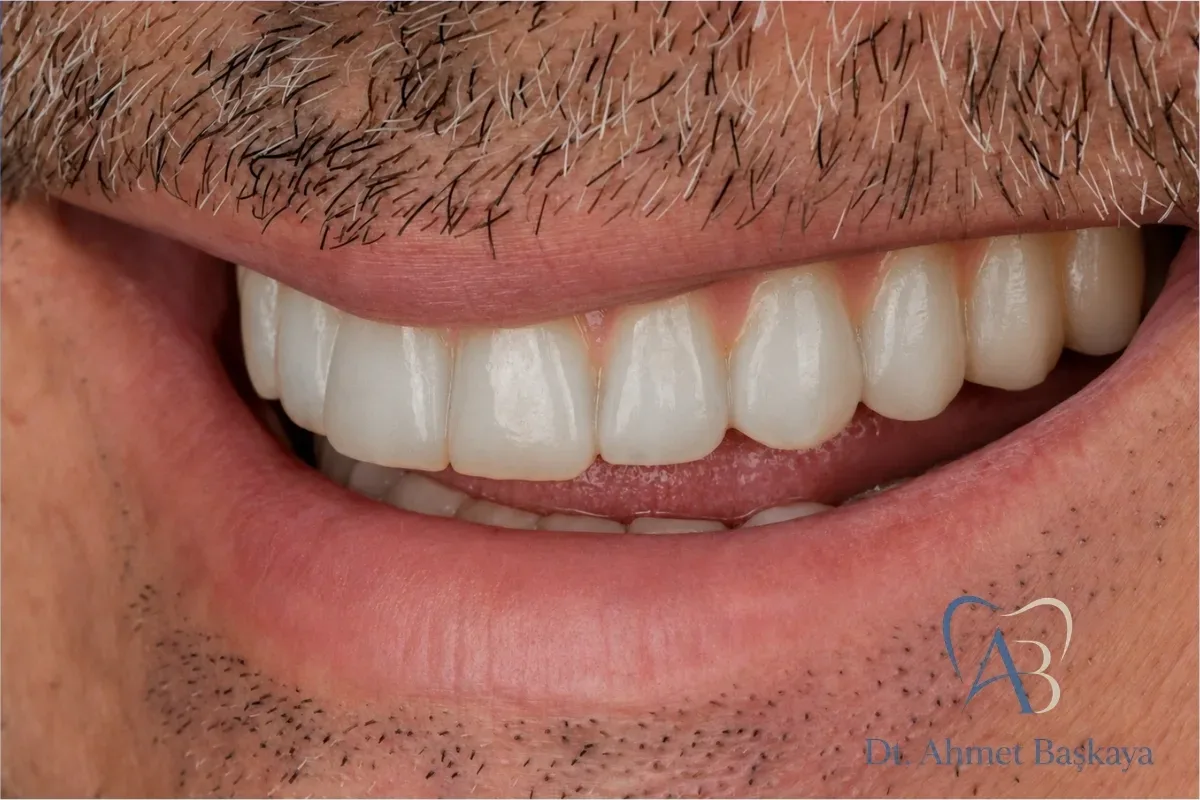
What Treatments Can Be Used in Smile Design?
Smile design does not consist of a single treatment. Since each patient’s oral structure and aesthetic expectations are different, the procedures performed vary from person to person. When preparing a treatment plan, the color, shape, and alignment of the teeth, as well as the appearance of the gums and the presence of missing teeth, are evaluated together. This comprehensive approach aims to create a smile that is both natural and harmonious with the face.
Depending on aesthetic needs, treatments such as zirconia crowns, e.max crowns, porcelain veneers, and teeth whitening are frequently preferred. While aesthetic restorations can be performed on patients with broken, worn, or misshapen teeth, professional teeth whitening may be sufficient for those who are solely concerned about discoloration. If there are missing teeth, implant treatment can be added to the treatment plan to restore both aesthetic appearance and chewing function.
For some patients, however, achieving the ideal result may require the combined use of multiple treatments. For example, a plan might involve adjusting gum levels, followed by teeth whitening, and finally the placement of zirconia or e.max restorations. Therefore, a successful smile design treatment is the result of a comprehensive, personalized treatment plan tailored to the patient’s needs, rather than a standard procedure.
Differences Between Digital Smile Design and Traditional Smile Design
With the advancement of technology, the methods used in cosmetic dentistry have also changed significantly. While planning in traditional smile design relies largely on clinical evaluation and the dentist’s experience, digital smile design utilizes computer-aided analysis. This allows for a more detailed assessment of the patient’s facial features, lip structure, tooth proportions, and smile line, enabling a personalized treatment plan.
One of the most important advantages of digital planning is the ability to preview the desired outcome before treatment begins. Thanks to photographs, digital measurements, and intraoral scans, detailed adjustments can be made to the size, shape, and aesthetic appearance of the teeth. This process helps ensure that the patient’s expectations are better understood and that the treatment plan is prepared in a more predictable manner.
Although traditional methods can still be successfully applied in many cases today, digital technologies offer significant advantages in the planning process. Especially in comprehensive aesthetic treatments, digital analyses can help achieve more natural and harmonious results while strengthening communication between the dentist and the patient. For this reason, digital dentistry plays a significant role in many aesthetic smile design plans today.
What Factors Determine Smile Design Prices in Bursa?
For many people researching smile design prices in Bursa, the most important question is what factors determine the cost of treatment. However, since smile design is not a standardized procedure, it is not possible to speak of a single pricing structure that applies to everyone. Since each patient’s oral structure, aesthetic expectations, and required treatments differ, the planning process is entirely personalized.
One of the most important factors affecting pricing is the scope of the treatment to be performed. While teeth whitening alone may be sufficient for some patients, others may require a combination of procedures, such as zirconia crowns, E.Max restorations, veneers, gum contouring, or implant treatment. The materials used, the number of teeth to be treated, and the scope of the procedures are also key factors affecting the cost.
Therefore, when planning a smile design in Bursa, it is important to consider the quality of the treatment, the materials used, the dentist’s experience, and a personalized treatment plan, rather than making a decision based solely on price. Thanks to the treatment plan prepared following a detailed clinical examination, patients can obtain comprehensive information about both the procedures to be performed and the treatment process, and a personalized cost assessment can be provided.
What Should Be Considered After Smile Design?
To ensure that the aesthetic and functional results achieved after smile design treatment are maintained for many years, it is crucial to maintain a regular oral care routine. Restorations such as zirconia, e.max, veneers, or other aesthetic restorations applied as part of the treatment require regular care, just like natural teeth. Brushing your teeth at least twice a day, using dental floss or an interdental brush, and maintaining good oral hygiene are essential for the longevity of both the restorations and your gum health.
In the first few days, it may be helpful to follow the dentist’s dietary recommendations and avoid hard foods that could place unnecessary stress on the restorations. Additionally, for patients who grind or clench their teeth, using a night guard may be recommended. These measures help prevent wear or damage to both natural teeth and aesthetic restorations. Regular dental checkups allow potential problems to be detected early, enabling timely intervention.
The patient’s daily oral care habits play a significant role in ensuring the longevity of a smile design. Reducing tobacco use, limiting the consumption of foods and beverages that can cause staining, and undergoing regular professional dental cleanings all contribute to maintaining an aesthetic appearance. When proper care is followed, the restorations used in smile design can be successfully utilized for many years, both aesthetically and functionally.