

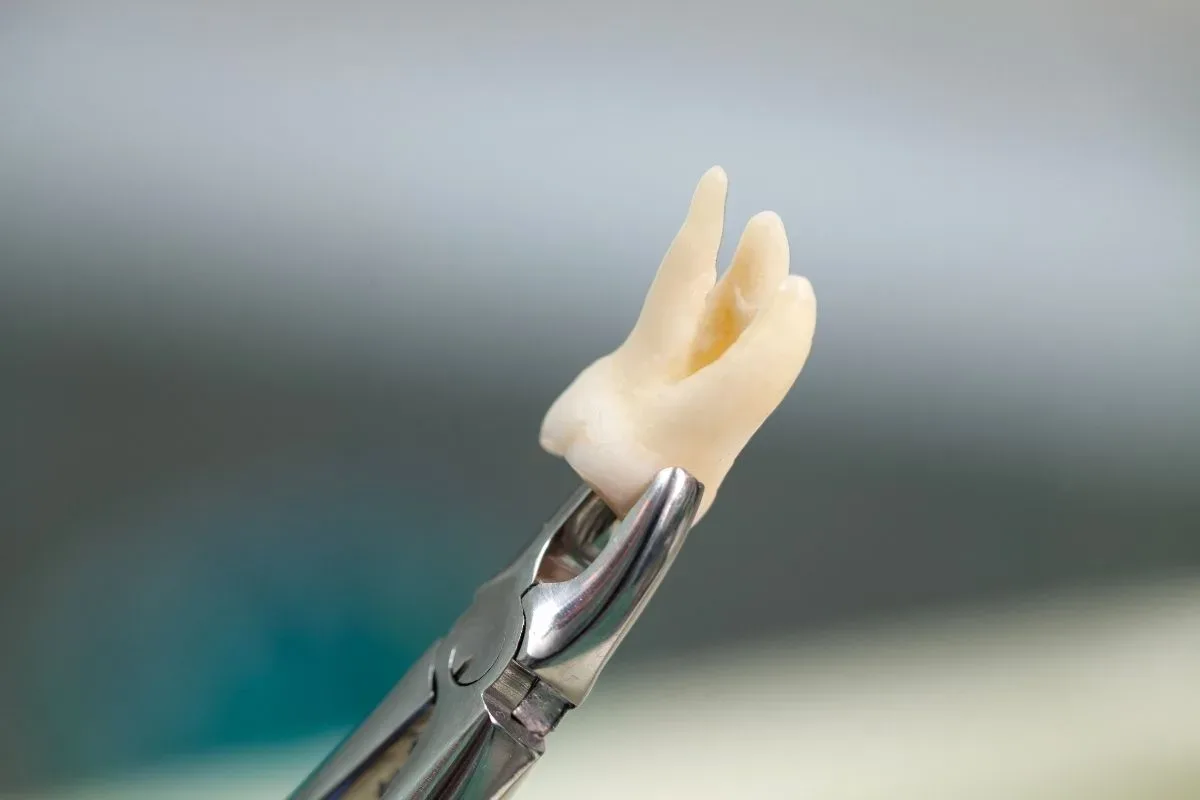
Wisdom tooth extraction is a dental procedure performed when the wisdom teeth—the last teeth to erupt in the mouth—cause problems such as pain, infection, decay, impaction, or pressure on adjacent teeth. Not every wisdom tooth needs to be extracted; however, if you experience symptoms such as wisdom tooth pain, swollen gums, difficulty opening your mouth, or recurring infections, it is important to see a dentist for an examination.
The wisdom tooth extraction process is customized for each patient based on the tooth’s position, whether it is impacted, its root structure, and its relationship with the jawbone. In particular, the extraction of an impacted wisdom tooth may require a detailed X-ray evaluation and a careful treatment plan. For this reason, the tooth’s position in the mouth and its relationship with surrounding tissues must be assessed before extraction.
In this article, you’ll find patient-focused and easy-to-understand information on what to watch out for after a wisdom tooth extraction, the pain and swelling process, when to start eating, the cost of wisdom tooth extraction, and how the process is planned at Vita Dental Clinic in Bursa.
What Is a Wisdom Tooth Extraction?
Wisdom tooth extraction is a dental procedure performed when the molars that emerge last in the mouth cause problems such as pain, infection, decay, or impaction. Wisdom teeth are the third molars located at the very back of the jaw and may not erupt in the same way for every patient.
Not every wisdom tooth needs to be extracted. If the tooth has erupted healthily, contributes to chewing function, and does not damage the surrounding teeth, it can be monitored. However, extraction may be necessary if the tooth is partially impacted, causes gum inflammation, exerts pressure on adjacent teeth, or results in recurring wisdom tooth pain.
For this reason, the decision to extract a wisdom tooth should not be based solely on pain; it should be made after evaluating the tooth’s position, jaw structure, X-ray findings, and overall oral health. At Vita Dental Clinic, the need for wisdom tooth extraction is planned by evaluating the patient’s symptoms and clinical examination findings together.
Where Do Wisdom Teeth Erupt, and at What Age?
Wisdom teeth are molars that emerge in the very back of the upper and lower jaws. Since they are usually the last teeth to erupt in the mouth, some patients may not have enough space in their jaws for them. In such cases, the tooth may not erupt fully, may remain partially impacted, or may remain completely embedded within the jawbone.
Wisdom teeth usually begin to erupt between the ages of 17 and 25. However, this age range can vary from person to person. In some people, wisdom teeth may cause symptoms earlier, while in others, they may cause problems at a later age. In some cases, wisdom teeth may not form at all or may remain impacted without ever erupting into the mouth.
The answers to the questions “Where do wisdom teeth emerge?” and “When do they cause symptoms?” depend on the patient’s jaw structure and the position of the tooth. If you experience pain, swelling, difficulty opening your mouth, sensitivity while chewing, or a feeling of pressure in the back of the mouth, a dental examination is recommended.
What Causes Wisdom Tooth Pain?
Wisdom tooth pain usually occurs because the tooth cannot find enough space in the mouth, remains impacted, or erupts only partially. When a tooth cannot fully erupt, gum tissue may remain around it, allowing food particles to accumulate in that area and lead to inflammation. This condition can cause symptoms such as pain, swelling, sensitivity, and difficulty opening the mouth.
In some cases, wisdom teeth may put pressure on adjacent teeth or become decayed because they are difficult to clean. Tooth decay, gum inflammation, or a sensation of pressure within the jawbone may become more pronounced over time. For this reason, it is important for patients experiencing recurring wisdom tooth pain not to delay a dental examination.
How Is an Impacted Wisdom Tooth Extraction Performed?
The extraction of an impacted wisdom tooth is a procedure customized to the individual based on the tooth’s position within the jawbone. Prior to extraction, an X-ray evaluation is performed to examine the tooth’s root structure, its relationship to nerves, the degree of impaction, and its proximity to adjacent teeth. This evaluation helps ensure the extraction process is planned in a safer and more controlled manner.
The procedure is typically performed under local anesthesia to ensure the patient feels no pain during the procedure. Depending on the tooth’s position, a small surgical incision may be necessary in some cases. The recovery period following an impacted wisdom tooth extraction can vary depending on the difficulty of the extraction and the patient’s oral hygiene.
Is Wisdom Tooth Extraction Difficult?
Wisdom tooth extraction is not equally difficult for every patient. The degree of difficulty depends on whether the tooth is impacted, its root structure, its relationship to the jawbone, and its position in the mouth. While extracting a fully erupted wisdom tooth may be simpler, teeth that are impacted or positioned horizontally may require more detailed surgical planning.
One of the questions patients ask most often is whether they will feel pain during the procedure. Since wisdom tooth extraction is performed under local anesthesia, the goal is to ensure that no pain is felt during the procedure. Mild pain, swelling, or tenderness may occur after the procedure; this can usually be managed by following the dentist’s recommendations.
What Should You Pay Attention to After a Wisdom Tooth Extraction?
The first few hours after a wisdom tooth extraction are crucial for a healthy recovery. The gauze pad placed on the extraction site should be kept in the mouth for the duration recommended by the dentist, and you should avoid spitting frequently during this time. Spitting, rinsing your mouth, or applying pressure to the extraction site can disrupt the blood clot.
On the first day, avoid hot foods and beverages; opt for soft, lukewarm foods instead. Smoking is not recommended, especially in the first few days, as it can negatively affect healing. Take any medications prescribed by your dentist as directed, and do not miss your follow-up appointments.
Maintaining good oral hygiene is also important for the healing process. However, the extraction site should not be brushed vigorously on the first day, and the area should not be irritated. Since post-extraction precautions may vary depending on the type of extraction, the most accurate recommendations should be followed according to the dentist’s instructions.
Is Pain, Swelling, and Bleeding Normal After a Wisdom Tooth Extraction?
Mild pain, swelling, and brief bleeding after a wisdom tooth extraction are considered normal. Especially after the extraction of an impacted wisdom tooth, sensitivity in the treatment area and swelling in the cheek may occur. These symptoms are generally a natural part of the healing process and can be managed with the medications recommended by the dentist.
A small amount of oozing may be observed in the first few hours. However, you should contact your dentist if you experience heavy, unstoppable bleeding; swelling that continues to increase; severe pain; a foul odor; a fever; or significant difficulty opening your mouth. These symptoms may indicate an infection or another complication during the healing process.
The duration of post-extraction pain and swelling varies depending on the tooth’s location, the difficulty of the extraction, and the patient’s aftercare. Therefore, if you experience pain or bleeding after a wisdom tooth extraction, it is safer to contact your clinic rather than attempting self-treatment.
When Can You Eat After a Wisdom Tooth Extraction?
To eat after a wisdom tooth extraction, you should first wait for the numbness in your mouth to subside. Eating while the area is still numb can lead to accidentally biting your lip, cheek, or tongue. For this reason, you should follow your dentist’s recommendations carefully during the first few hours after the procedure.
On the first day, soft, warm, and non-irritating foods should be preferred. Easily consumable foods such as soup, yogurt, and purees may be more comfortable. You should avoid hard, hot, spicy, acidic, or grainy foods that could get stuck in the extraction site. Additionally, using a straw and vigorous sucking motions are not recommended, as they can disrupt the blood clot.
How Long Does the Recovery Process Take After a Wisdom Tooth Extraction?
The recovery process after a wisdom tooth extraction can vary depending on the tooth’s location, the difficulty of the extraction, and the patient’s overall oral health. While a return to daily life may be quicker after a simple extraction, recovery after the extraction of an impacted wisdom tooth may take a little longer.
Mild pain, swelling, and sensitivity may occur during the first few days. Taking the medications prescribed by your dentist regularly, maintaining good oral hygiene, and avoiding irritation of the extraction site will support the healing process. You should contact your dentist if you experience severe pain, a bad odor, persistent bleeding, or increasing swelling.
What Factors Affect the Cost of a Wisdom Tooth Extraction?
The cost of a wisdom tooth extraction may vary depending on the tooth’s position in the mouth and the complexity of the procedure. The extraction of a fully erupted wisdom tooth is not evaluated the same way as the extraction of an impacted wisdom tooth. The tooth’s root structure, its relationship to the jawbone, and its proximity to adjacent teeth are among the factors that influence the cost.
In some cases, an X-ray evaluation may be required before the extraction. If the tooth is impacted, positioned horizontally, or requires surgical intervention, a more detailed treatment plan is prepared. For this reason, the most accurate information regarding the cost of a wisdom tooth extraction is provided on a case-by-case basis following an examination and imaging.
How Is the Process Planned for Wisdom Tooth Extraction at Vita Dental Clinic in Bursa?
At Vita Oral and Dental Health Clinic in Bursa, the process for wisdom tooth extraction begins with listening to the patient’s complaints and conducting an oral examination. Symptoms such as pain, swelling, suspected impacted tooth, or discomfort while chewing are evaluated.
If deemed necessary, X-rays are taken to examine the position of the wisdom tooth, its root structure, and its relationship with surrounding tissues. Following an evaluation by Dr. Ahmet Başkaya, a personalized extraction plan is created for the patient, and clear information is provided regarding the pre-procedure process.